Seeing "insurance included" on a Japanese motorcycle rental quote creates a dangerous false sense of security. Basic mandatory insurance in Japan pays for injury or property damage you cause to other people — it normally pays zero toward repairing a cracked fairing, bent brake lever, or scratched exhaust when you drop your rented bike in a sloped temple car park.
Understanding Japan's three separate coverage layers — plus the expressway ETC card trap — prevents both unexpected repair bills and miserable toll-booth delays.
Why "insurance included" does not protect you from a tip-over
| Protection layer | Included in base rate? | What it pays for | What you still pay out of pocket |
|---|---|---|---|
| 1. Basic Third-Party Liability | Yes | Bodily injury & property damage to others (subject to policy caps and deductibles) | 100% of damage to your rented motorcycle + business interruption |
| 2. Optional Vehicle Cover / CDW | Optional add-on (highly recommended) | Caps repair liability for damage to the rented motorcycle above your excess/deductible | Excess/deductible per incident + excluded items (e.g., lost keys, tyres, rental gear) |
| 3. Non-Operation Charge (NOC) | Separate from CDW at many shops | Compensates the shop while the damaged bike sits in repair instead of earning rent | Fixed charge (higher if the bike cannot be ridden back under its own power) |
How CDW, stationary tip-over cover and NOC work in Japan
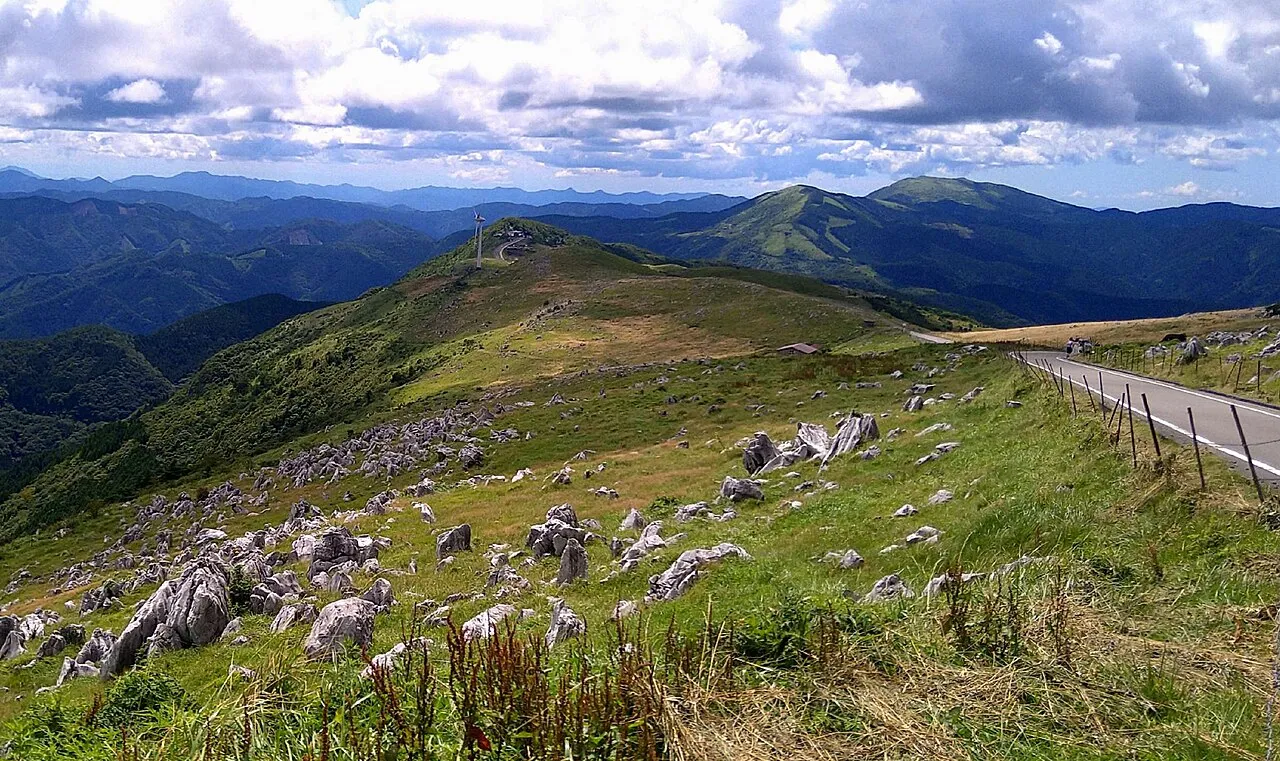
Stationary or low-speed tip-overs (tachigoke in Japanese) are by far the most common rental claim for tourists riding unfamiliar bikes on uneven gravel viewpoints, steep mountain switchbacks, or tight hotel car parks.
- Separate vehicle cover vs NOC: At major chains such as Rental819, optional vehicle cover reduces repair costs for the bike itself, yet business-interruption charges (NOC) and the per-incident excess are treated separately. Always ask for the exact yen cap on both the vehicle excess and NOC for your specific bike class (large faired sport-tourers carry higher deductibles than 250cc naked bikes).
- Rental helmets and gloves are excluded: Rental819 explicitly states in its official FAQ that optional rented helmets and gloves are not covered by CDW if damaged or lost.
- Roadside recovery distance limits: Verify how many kilometres of free towing are included if you get a flat tyre or breakdown in rural Hokkaido, Kyushu, or the Japanese Alps, and save the shop's English/emergency phone number before leaving.
The mandatory police report rule
In Japan, nearly every vehicle damage waiver becomes void without an official police accident report (jiko shomeisho) — even for a single-vehicle tip-over in a quiet car park with no other person involved.
If the bike goes down and leaves any fresh scratch, cracked lever, or bent mirror:
- Move to safety and call the rental shop immediately.
- Call police (110) if instructed by the shop so an official accident record is logged on site.
- Never try to quietly return a damaged bike without calling first; failing to report voids optional waivers and triggers full repair + NOC billing.
Expressway >125cc rules, ETC card gaps and gear exclusions
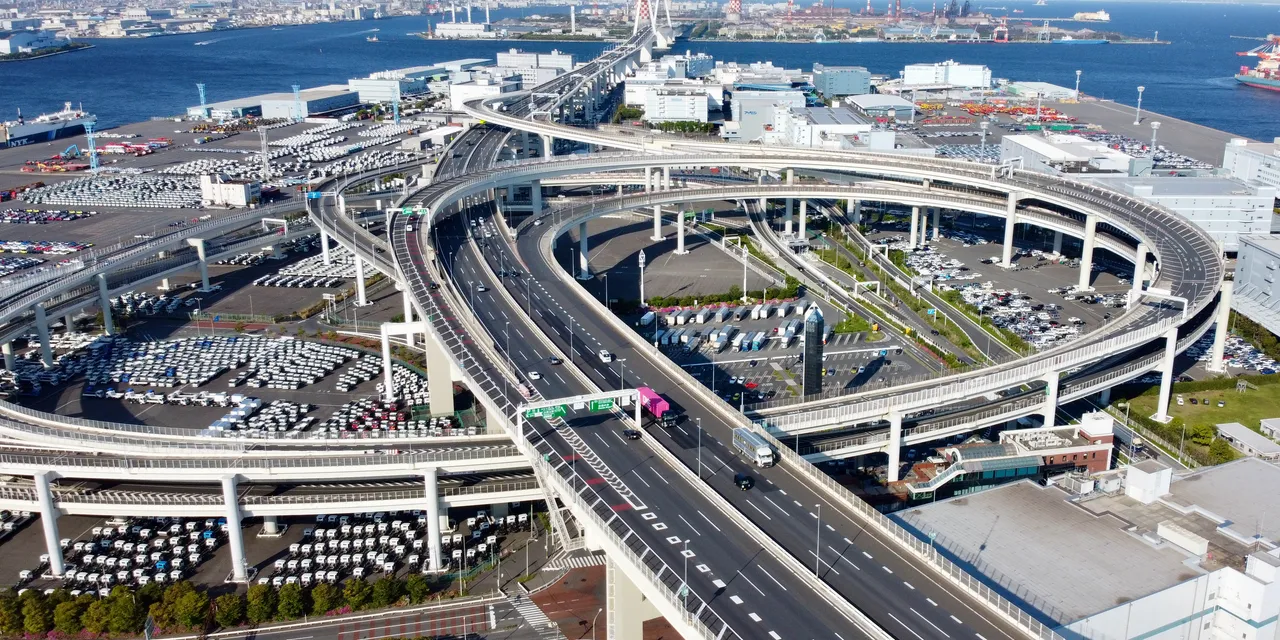
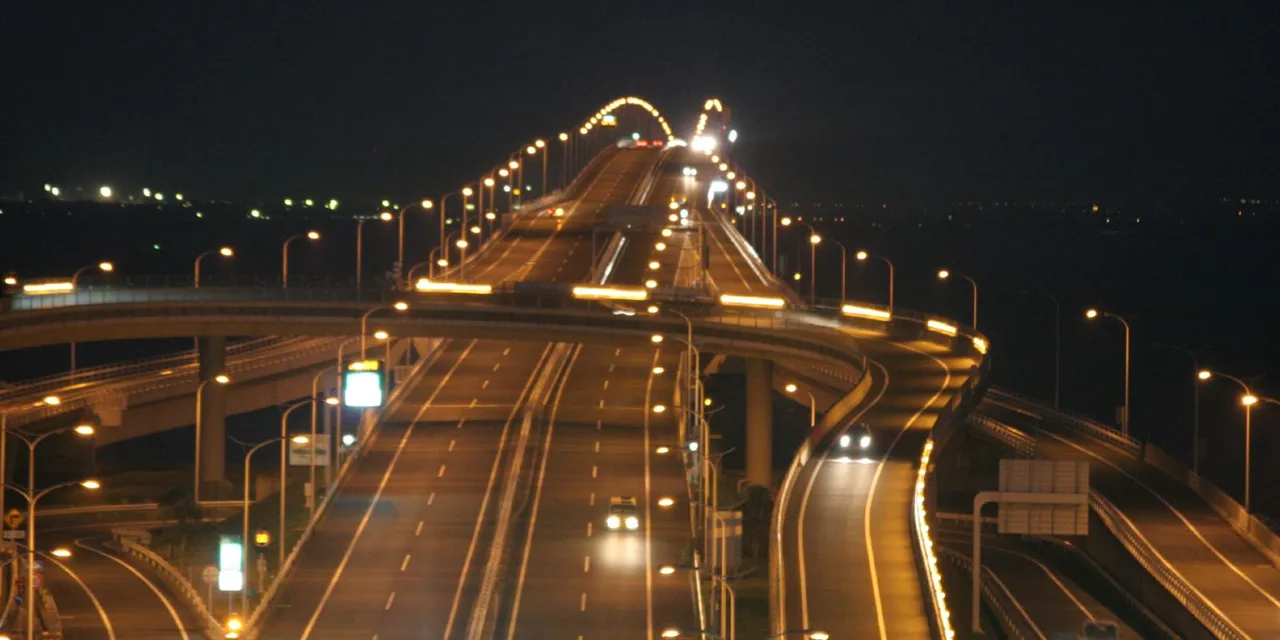
Japan's expressways and major scenic mountain toll roads enforce two strict motorcycle rules:
- Over 125cc required: Motorcycles and scooters of 125cc and under are legally prohibited on all Japanese expressways (NEXCO, Shuto Expressway, Hanshin Expressway, Okinawa Expressway) and several motor-only scenic bypasses. Rent 250cc or larger if you plan to leave city limits on toll roads.
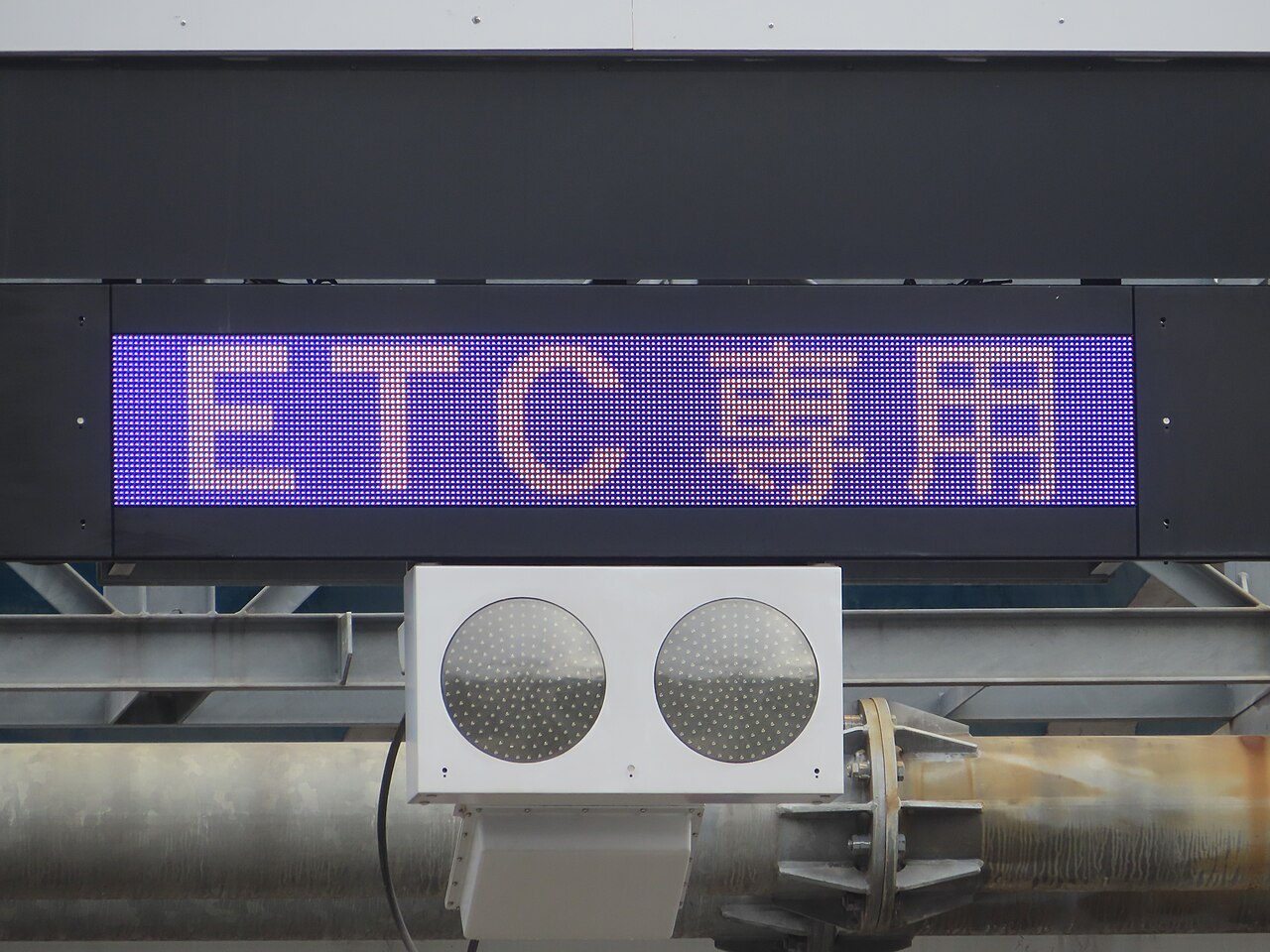
- Motorcycle toll discounts & ETC lanes: Expressways charge motorcycles roughly the same toll tier as kei cars, and using an ETC (Electronic Toll Collection) card lets you roll through dedicated purple/green ETC gates at low speed without stripping off gloves, digging out yen coins, or holding up traffic behind you.
Why some branches have an ETC reader but no ETC card
This trips up overseas riders every week:
- Many Japanese rental bikes have an ETC onboard transponder unit wired under the seat, but no ETC card inside it.
- Foreign visitors cannot easily buy a standalone Japanese ETC card at a convenience store (Japanese ETC cards are tied to domestic Japanese credit cards).
- Branch reality: Major chain branches such as Rental819 Ueno do not lend out ETC cards — forcing you to use manual cash ("General" / 一般) toll lanes. By contrast, foreign-rider specialists such as Arches Rental Motorbikes, Japan Bike Rentals, and all-inclusive tour packages (Ninja Tours, Moto Tours Japan) routinely supply a working ETC card with the bike.
If you do end up riding without an ETC card, keep small bills (¥1,000 notes) and ¥100/¥500 coins inside an easy-to-reach tank bag or jacket pocket before entering a toll road, and enter only lanes marked 一般 (General / Cash) — never ride through an ETC専用 (ETC Only) lane without a live card inserted.
Five questions to confirm at the counter before riding off
- "If I drop the bike while parked, exactly how much do I pay for the vehicle excess AND for NOC?"
- "Is there an active ETC card inserted in the bike right now, and do I settle tolls by credit card at return?"
- "What is the exact emergency number to call if the bike gets a puncture or falls over?"
- "Can we photograph every existing scratch on the fairings, mirrors, bar ends, and exhaust together before signing?"
- "What fuel grade does this model require — Regular (red nozzle) or High-Octane (yellow nozzle) — and must I bring a full-tank receipt at return?"
Frequently asked questions
Does my travel insurance or credit card cover motorcycle rental damage in Japan?
Usually not by default. Most standard travel credit card collision waivers explicitly exclude motorcycles and two-wheeled vehicles, and many travel medical policies exclude riding above 50cc or 125cc unless you purchase an adventure/motorcycle rider add-on and hold a valid Category A IDP. Always buy the Japanese rental shop's own vehicle waiver rather than assuming your card covers the bike.
Can I pay Japanese expressway tolls with a foreign credit card if I have no ETC card?
At manned General (一般) booths on NEXCO expressways, major credit cards and Japanese yen cash are widely accepted, though some rural local toll roads (such as certain scenic mountain skylines) remain cash only. Carrying ¥5,000–¥10,000 in cash is essential on every ride.
What happens if I accidentally ride a 125cc bike onto an expressway?
Riding a 125cc or smaller bike onto a Japanese expressway is illegal and dangerous. Always turn off "tolls / highways" in Google Maps or your GPS when riding 125cc or under — or step up to a 250cc+ model.