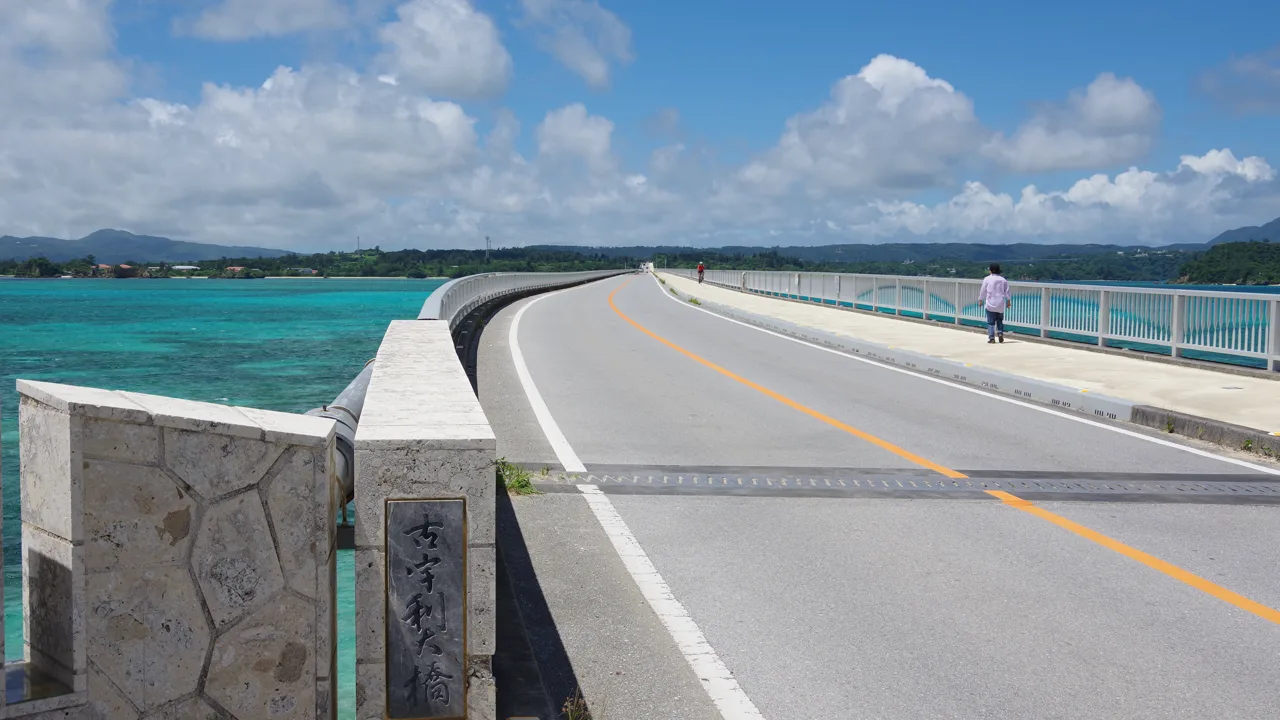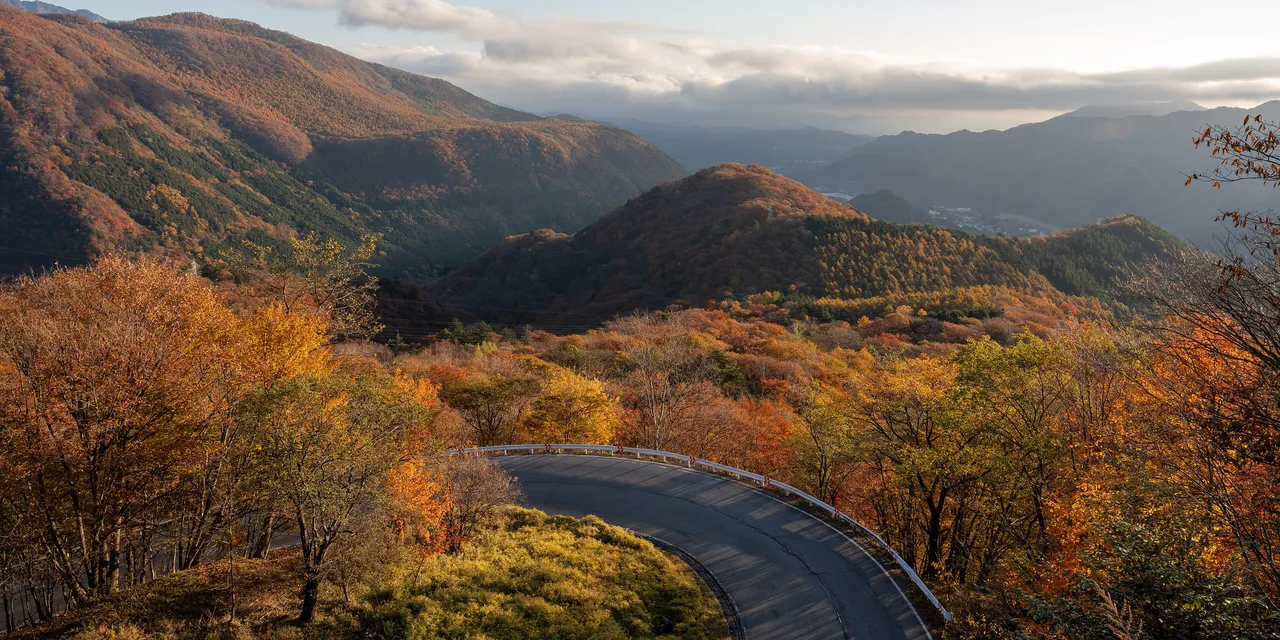
Japan stretches roughly 3,000 km from sub-arctic northern Hokkaido down to subtropical Okinawa. That means there is always a great place to ride a motorcycle in Japan — and almost always a terrible place to pick by mistake. Book Hokkaido in April and the rental shops are locked under snow; book Kyushu in late June and monsoon rain washes out every volcanic road; book Okinawa in winter and you get 18–21°C coastal sunshine while Tokyo shivers.
The short answer: match your month to Japan's north-south climate ladder
If you only remember four rules when picking dates and regions:
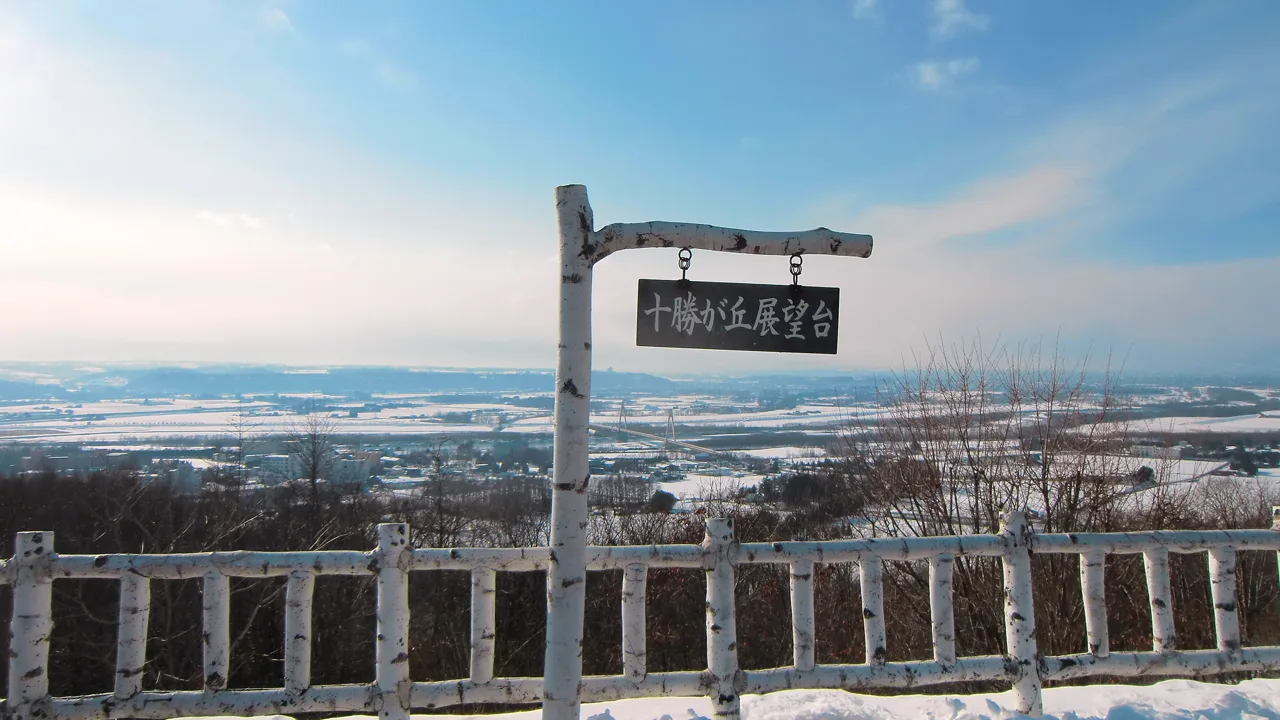
- Overall nationwide gold standard: May (after Golden Week, ~May 7–31) and October (especially Oct 1–31) deliver the widest combination of open passes, dry skies, and comfortable 16–24°C temperatures across Honshu and Kyushu.
- Summer (July – August): Go to Hokkaido (escapes the main rainy season and Honshu's 35°C heat) or stay high above 1,200 m in the Japanese Alps & Tohoku.
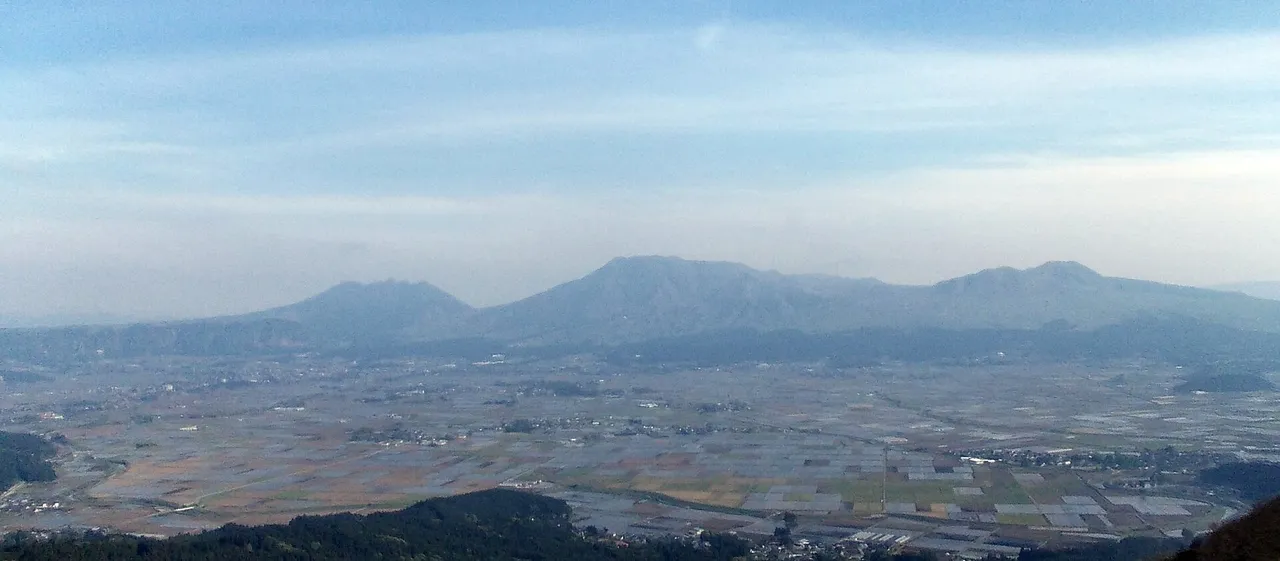
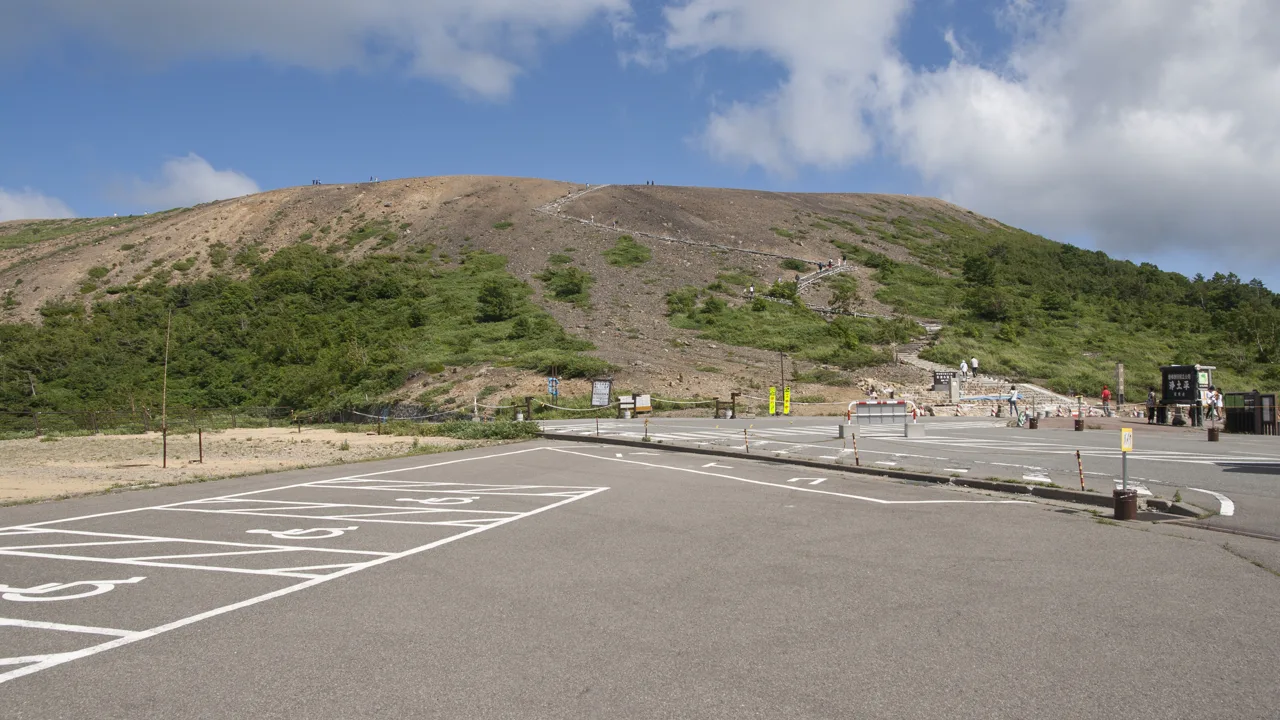
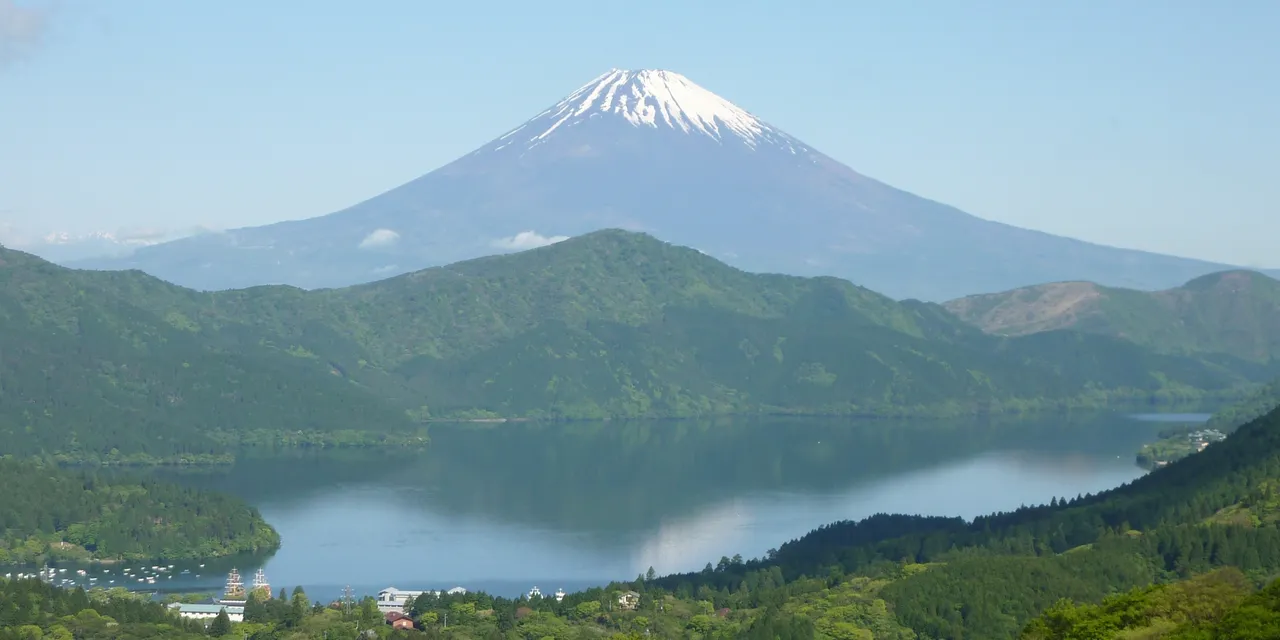
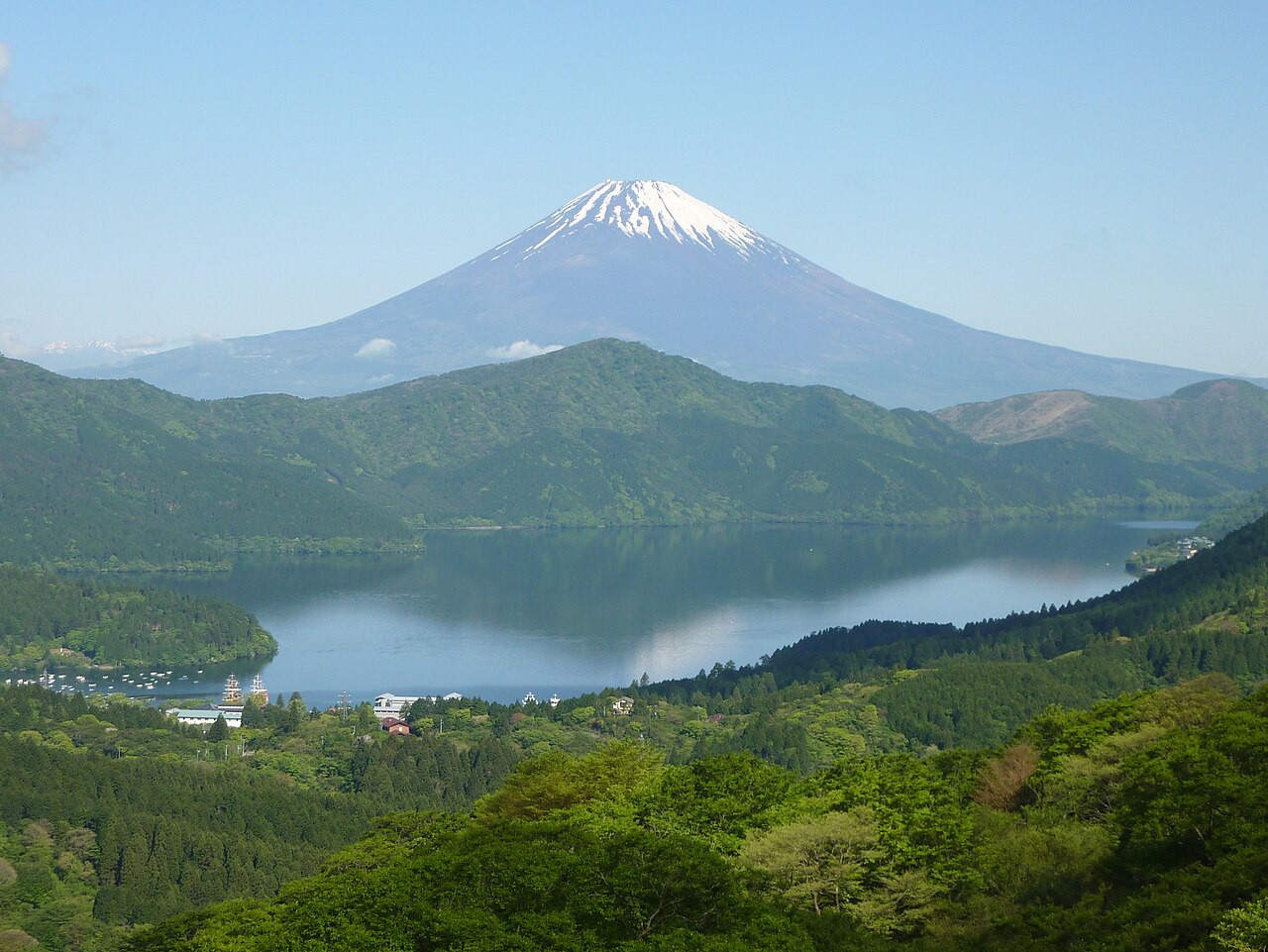
- Late spring & autumn (April, May, October, November): Target Kyushu & Mount Aso, Mt. Fuji / Hakone / Izu, and Osaka / Kyoto / Kii Peninsula / Shimanami Kaido.
- Winter (December – March): Ride Okinawa (subtropical island cruising) or stick strictly to low-elevation Pacific peninsulas (southern Izu, Boso, southern Wakayama) on clear afternoons.
Month-by-month riding calendar across Japan's regions
| Month | Best regions to ride | Regions to avoid / watch out | Key weather & pass notes |
|---|---|---|---|
| January – February | Okinawa (15–21°C); mild sunny day rides on southern Izu or Boso coasts | Hokkaido, Tohoku, Alps, Hakone, Aso rim (ice/snow) | Sub-zero mountain nights; Hakone under official winter tyre advisory (Dec 1 – Mar 31) |
| March | Okinawa, southern Kyushu, Shimanami Kaido, Izu coast | Hokkaido & Alps high passes (still snowbound) | Late March brings cherry blossoms in Kyushu/Kansai/Tokyo; chilly mornings (6–12°C) |
| April | Kyushu (Aso), Kansai/Kii Peninsula, Fuji/Hakone/Izu | Hokkaido (fleets mostly closed until late Apr/May); Alps high passes closed until mid–late Apr | Iconic snow-wall openings on Bandai-Azuma, Zao Echo Line & Shiga-Kusatsu happen mid–late April |
| May | Japanese Alps, Tohoku, Kyushu, Fuji/Hakone, Kansai | Avoid Golden Week (Apr 29 – May 6) traffic & hotel spikes | Top nationwide month after May 7: snow walls + lush greenery + dry air. Okinawa enters rainy season mid-May |
| June | Hokkaido (dry, cool, low crowds); Okinawa (after rainy season ends ~late June) | Kyushu, Kansai, Tokyo/Fuji (tsuyu monsoon rain peaks) | Hokkaido does not get a true tsuyu front — June is Hokkaido's best-value sleeper month |
| July | Hokkaido (peak lavender, 20–26°C), Okinawa (watch typhoons) | Lowland Honshu/Kyushu (hot, humid, late tsuyu storms until mid-July) | Peak Hokkaido rental demand starts mid-July; book 3–5 months ahead |
| August | Hokkaido, high-altitude Alps/Tohoku ridges (early mornings) | Obon holiday (mid-Aug) gridlock; urban Tokyo/Osaka/Kyushu heat (35°C+) | Peak typhoon season begins; summer Fuji Subaru Line bans private vehicles |
| September | Hokkaido (crisp autumn peaks), Tohoku, Japanese Alps | Peak typhoon landfall month across Okinawa, Kyushu, and Pacific Honshu | Build 1 flexible rest day into September itineraries in case a typhoon passes through |
| October | Alps & Tohoku (peak autumn leaves), Kyushu (Aso), Fuji/Hakone/Izu, Kansai | Hokkaido high passes turn cold/frosty by mid–late Oct | Co-best nationwide month: clearest Mount Fuji mornings and dry sweeping curves |
| November | Kyushu (Mount Aso), Kansai/Kii Peninsula, Shimanami Kaido, Izu, Okinawa | Hokkaido (closed); Alps & Tohoku passes close early–mid Nov | Spectacular autumn foliage in Kyoto/Kii/Kyushu; sunset drops early (~16:45–17:15) |
| December | Okinawa, sunny coastal southern Izu / Wakayama | Mountain passes nationwide (black ice, winter closures) | Short daylight; plan indoor sightseeing or tropical island riding |
Four seasonal traps that ruin unprepared motorcycle trips
- Golden Week (late April – early May) & Obon (mid-August): Expressways back up 30–50 km, mountain viewpoints fill by 09:00, and rental bikes sell out months ahead. Shift your trip by even 5 days before or after these windows and Japan transforms.
- Underestimating the June tsuyu rainy season: Between early June and mid-July, Kyushu and Honshu can see 4–6 consecutive days of steady rain and dense mountain fog that reduces scenic passes like Aso and Hakone to 20 m visibility. Fly north to Hokkaido in June instead.
- Ignoring high-altitude temperature drops: Air cools by roughly 0.6°C per 100 m of elevation. When Tokyo is 24°C in October, Shibu Pass (2,172 m) is around 10–11°C before wind chill. Pack a windproof mid-layer even in shoulder seasons.
- Early autumn sunsets: Japan sits on a single time zone (JST) with no daylight saving time. In November, sunset falls around 16:30 in Tokyo and Tohoku and 17:10 in Kyushu. Start riding at 08:30 so you reach your hotel well before dark.
How to pick your exact dates and gear by season
- Spring (April – May): 3-season textile jacket with removable thermal liner, waterproof rain suit, mid-weight + summer gloves, clear visor.
- Summer (July – August): Full mesh armoured jacket (essential in 32°C+ Honshu valleys) PLUS a packable windproof shell and rain gear for Hokkaido or 1,800 m alpine ridges.
- Autumn (October – November): Windproof touring jacket, thermal base layer, neck gaiter, warm gloves for early mornings.
- Winter (Okinawa Dec – Mar): Light windproof jacket (coastal winds feel brisk at 18°C even in sunshine) and packable rainwear for passing island showers.
See our Japan motorcycle packing & Takkyubin luggage guide for how to pack all-weather gear without overloading a rental bike.
Frequently asked questions
What is the single best 2-week window to ride Japan for the first time? May 8–25 or October 5–25. Both avoid Golden Week, rainy season, extreme summer heat, and winter pass closures, while giving you access to Mount Fuji, the Japanese Alps, Kansai, and Kyushu simultaneously.
Can I ride Hokkaido and Kyushu on the same trip? Yes — late September to early October is the narrow bridge window when Hokkaido's rental fleets are still open (early autumn colour) and Kyushu has already cooled down after summer heat. Fly domestically between New Chitose (CTS) and Fukuoka (FUK) and rent separately at each end rather than burning 5 days on expressways.
What happens to my motorcycle rental if a typhoon hits? Cancellation policies vary sharply by shop and weather warning level. Check the exact rain/typhoon reschedule clause before paying your deposit — covered in our motorcycle insurance & cancellation guide.
Related guides
- Hokkaido motorcycle rental & touring guide (June–September)
- Kyushu & Mount Aso motorcycle rental guide (April–May & Oct–Nov)
- Japanese Alps & Tohoku motorcycle touring guide (May–October)
- Mt. Fuji, Hakone & Izu motorcycle rental guide
- Okinawa motorcycle rental guide (best winter escape)
- Packing & Takkyubin luggage guide for Japan motorcycle trips