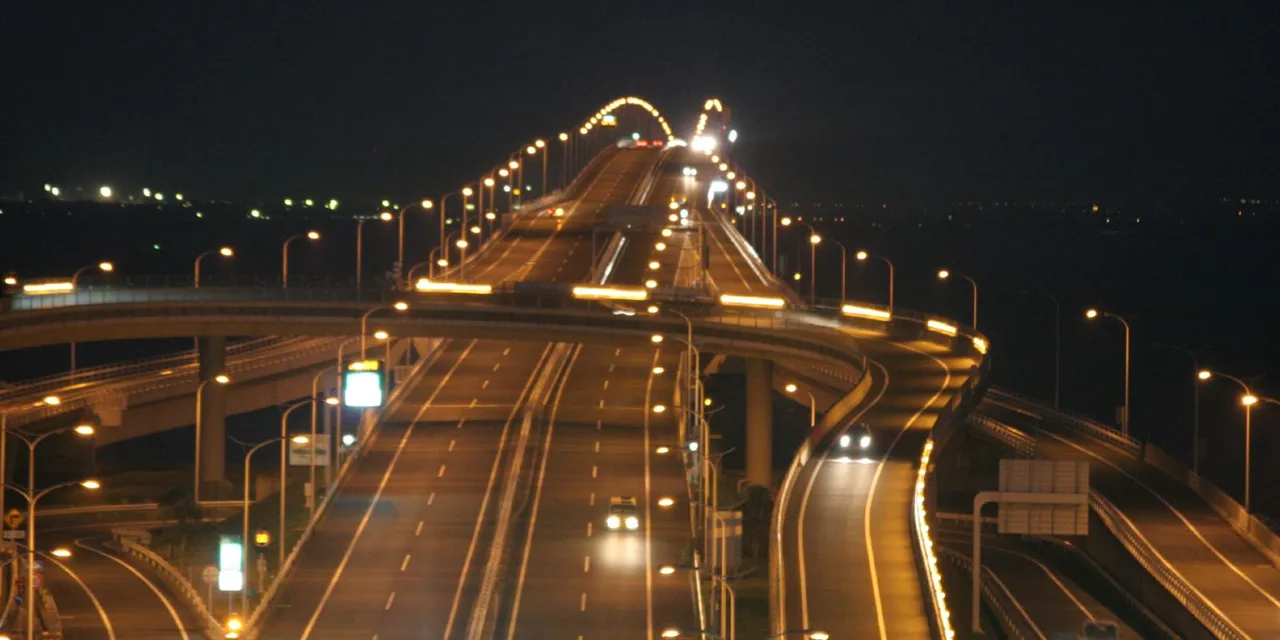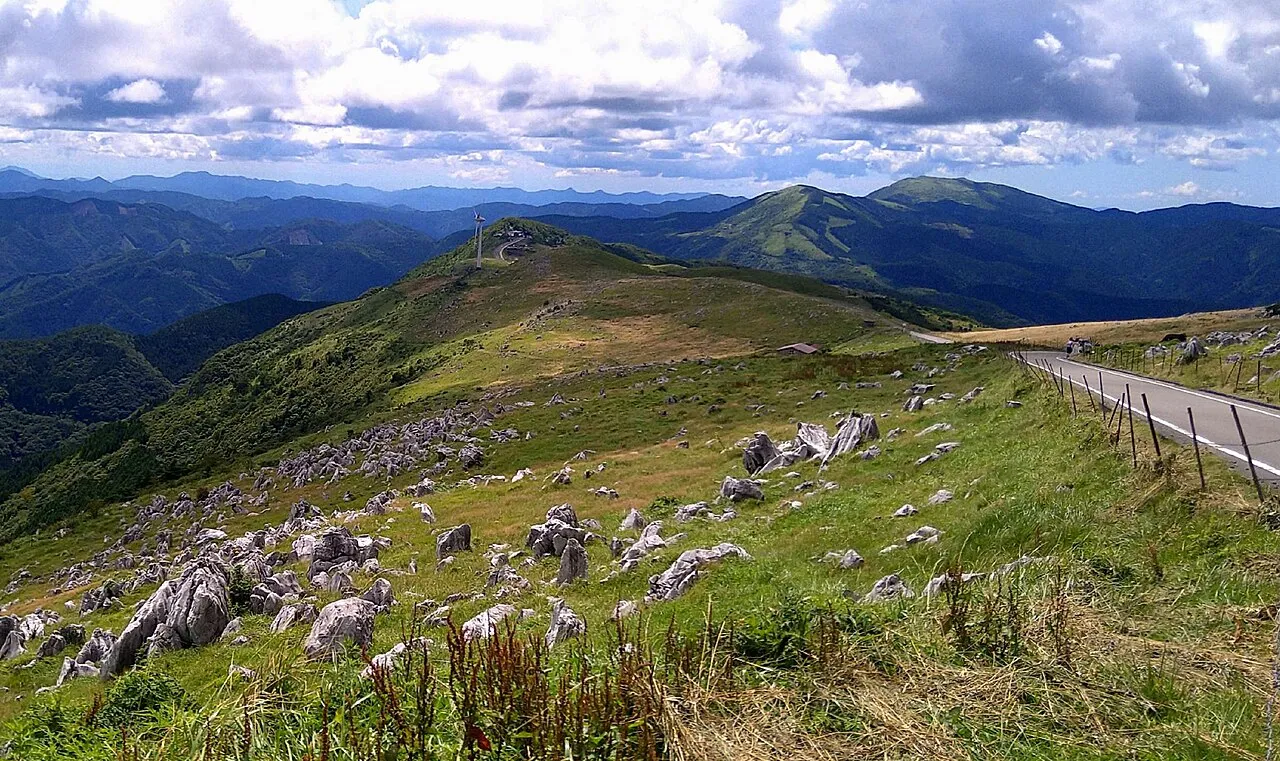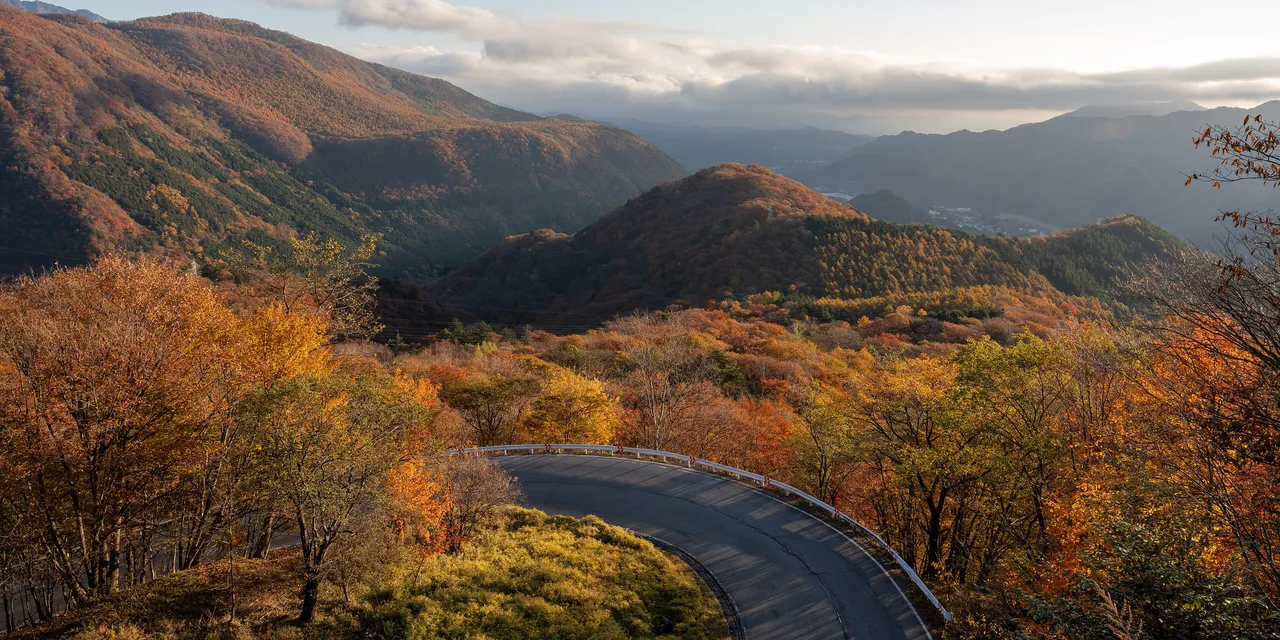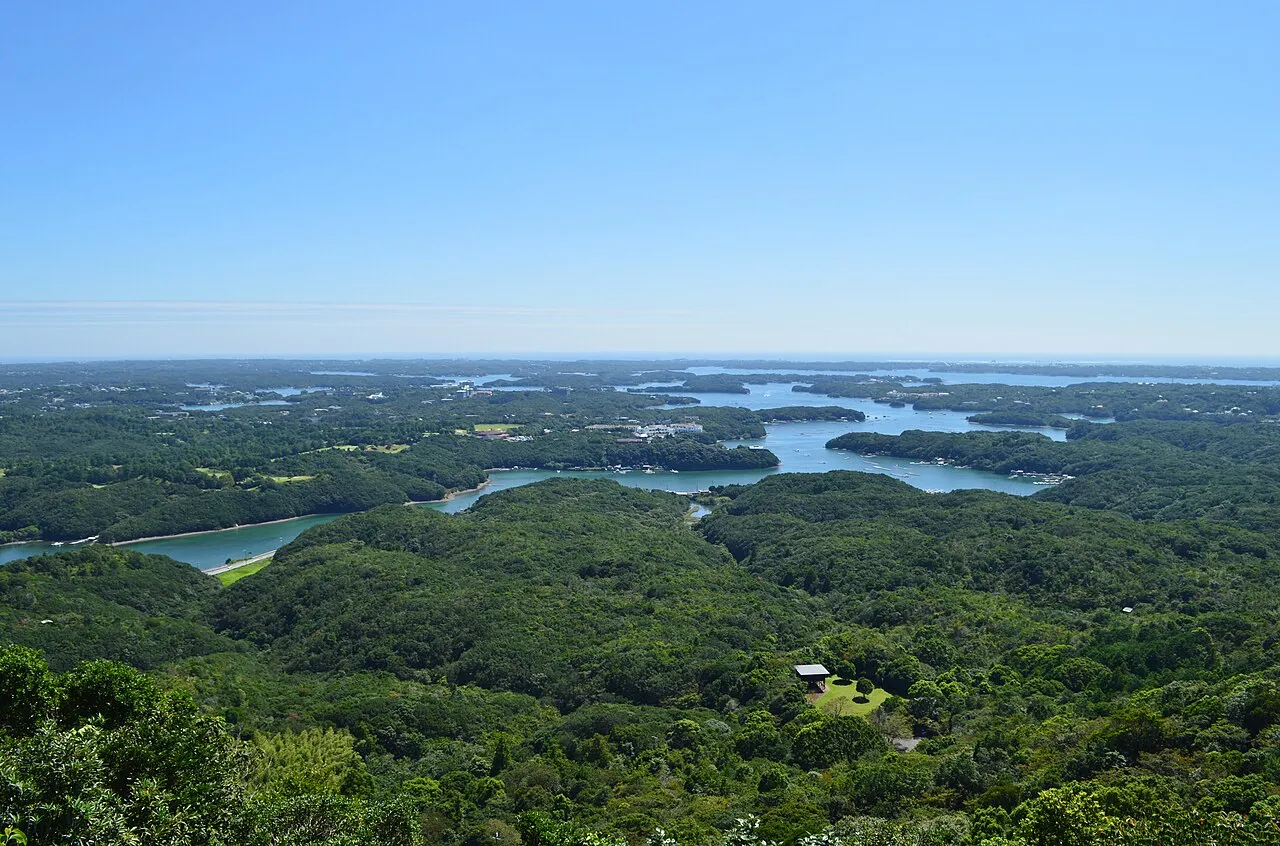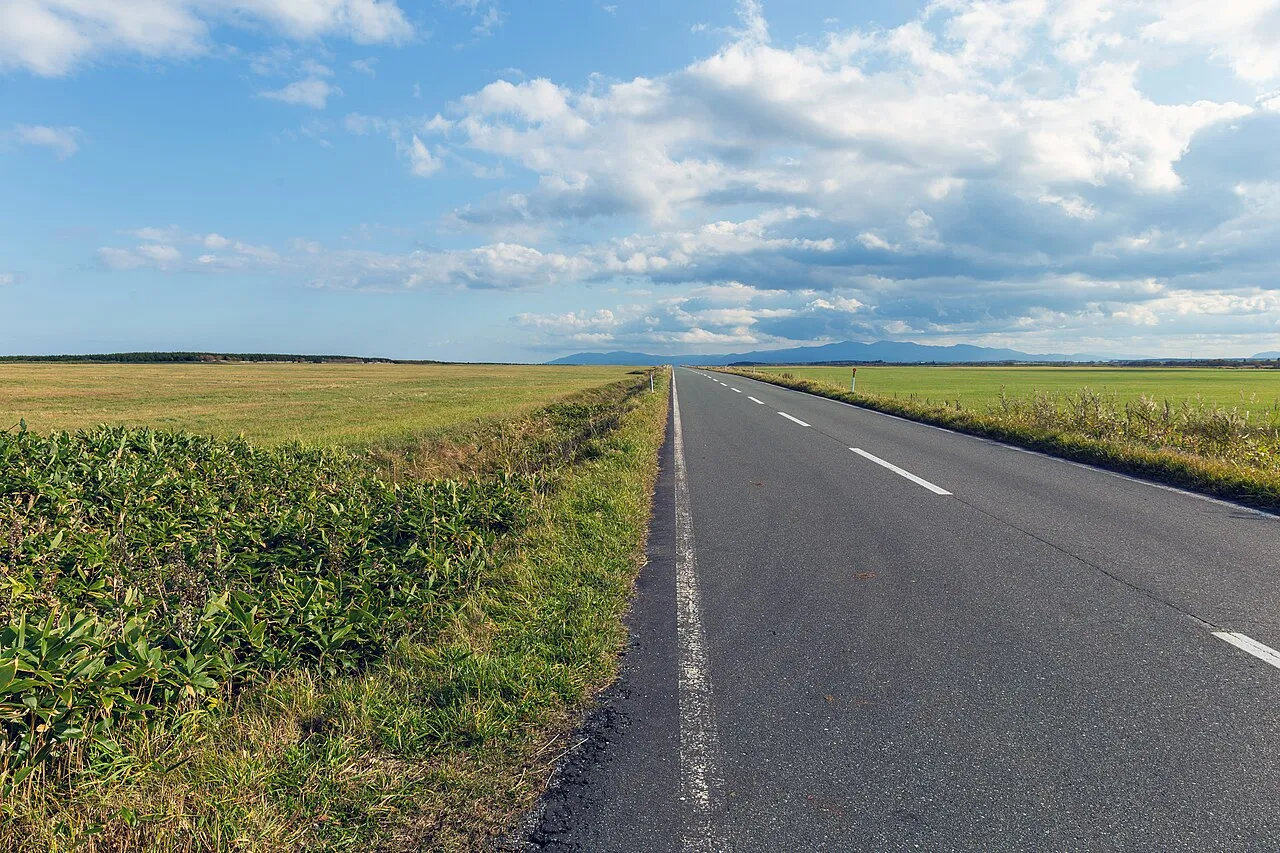
Hokkaido is the single region in Japan where motorcycle touring feels genuinely expansive: wide volcanic plateaus, ruler-straight farm and coastal roads like the Esanuka Line, minimal urban congestion outside Sapporo, and cool summer riding while Honshu swelters in 35°C humidity. Unlike Honshu, however, Hokkaido's motorcycle rental season is brutally compressed — most branches close their fleets from November through April, and peak July–August bikes book out months ahead.
This guide explains where foreign visitors pick up motorcycles in Hokkaido, which engine sizes suit Hokkaido's longer daily distances, how to plan around pass openings and cold coastal fog, and how to structure a realistic 5-day or 8-day loop without burning out on highway transfers.
Why Hokkaido is Japan's premier summer motorcycle destination
On Honshu, the July–August school holiday brings extreme heat, dense urban traffic and humid rainstorms. Hokkaido sits north of Japan's main tsuyu rainy season front, keeping July and August daytime temperatures typically in the comfortable 20–27°C range across Furano, Biei, Kushiro and Shiretoko.
Three practical differences shape every Hokkaido ride compared with Tokyo or Kyoto:
- Scale and speed: Hokkaido accounts for roughly 22% of Japan's land area. Distances between towns routinely stretch 60–120 km without expressways, and rural national routes flow steadily at 50–60 km/h rather than stop-and-go lights.
- Few expressway bottlenecks: Outside the Sapporo–Otaru–Chitose corridor, most iconic roads (Mikuni Pass, Shiretoko Pass, Ororon Line, Esanuka Line, Bihoro Pass) are toll-free national or prefectural highways.
- Compressed supply: Because Hokkaido's rental fleet only operates for roughly 5 to 6 months a year, foreign-friendly inventory is tightest in July, August and mid-September. Waiting until arrival to book almost never works for 400cc+ touring machines.
Where to rent a motorcycle in Hokkaido: New Chitose Airport vs Sapporo
Most international riders fly into New Chitose Airport (CTS) from Tokyo (Haneda/Narita) or Osaka (Kansai) rather than riding 900+ km north from Tokyo. Your first decision is whether to pick up near New Chitose Airport or in central Sapporo.
| Pickup base | Best for | Pros | Trade-offs |
|---|---|---|---|
| New Chitose Airport (CTS) area | Riders heading straight east/north (Furano, Biei, Obihiro, Kushiro, Shiretoko) | Zero Sapporo city traffic; immediate highway access east; easiest flight-to-bike turnaround | Fewer walk-in shops; confirm exact shuttle or short JR Chitose access before booking |
| Sapporo city | Riders combining Shakotan Peninsula, Niseko, Otaru, or arriving a night early | Wider dealer/rental network and easier luggage drop at a Sapporo hotel | 45–60 minutes of urban traffic exiting/re-entering Sapporo on day 1 and return day |
| Guided / self-guided package operators | Riders wanting full English support, pre-fitted panniers, ETC card, and vetted onsen hotels | Moto Tours Japan and specialist Hokkaido packages eliminate chain-branch friction and luggage puzzles | Higher daily cost; fixed departure windows for guided groups |
Foreign-friendly operators serving Hokkaido
- Rental819: Operates Hokkaido branches (including Sapporo and New Chitose area locations depending on season). Accepts 1949 Geneva IDP (Category A) and JAF 6-country translations with a credit card in the rider's own name. Confirm branch-level winter closure dates and whether an ETC card is available for the expressway hop out of Chitose/Sapporo.
- Moto Tours Japan: Runs structured multi-day guided and self-guided Hokkaido tours tailored to international riders, solving luggage transport, pre-booked ryokan/hotels, and bike prep in one package.
- Japan Bike Rentals: Specialist touring operator worth querying early for multi-day Hokkaido touring builds with side cases and English counter support.
One-way warning: True one-way motorcycle drop-offs inside Hokkaido (for example, Sapporo → Hakodate or Sapporo → Kushiro) are rarely offered by standard rental chains without prohibitive transport fees. Plan a closed loop starting and ending at New Chitose or Sapporo — see our one-way motorcycle rental guide for why loops beat one-way drops almost everywhere in Japan.
Choosing the right bike class and gear for Hokkaido distances
In Tokyo or Kyoto, a 250cc single or twin is nimble and stress-free. In Hokkaido, you will face long straightaways, strong coastal crosswinds along the Sea of Japan (Ororon Line) and Sea of Okhotsk, and 250–320 km days.
- Best sweet spot (400cc–800cc adventure or sport-tourer): Models like the Honda NX400 / CB400X, Suzuki V-Strom 650, Yamaha Tracer / MT-07, or Kawasaki Versys 650 offer wind protection, stable cruising at 80–100 km/h, comfortable upright posture, and manageable weight on gravel scenic overlooks.
- Large cruisers & 1,000cc+ tourers: Great on Hokkaido's wide sweeping roads if you hold an unrestricted Category A motorcycle licence and are comfortable with 230+ kg bikes at low speed on sloped hotel car parks.
- 250cc class: Viable for solo riders with light luggage on 180–220 km days, especially if you hold a restricted licence or prefer low seat height, though crosswinds on Cape Soya and the Ororon Line demand extra concentration.
Hokkaido-specific gear checklist
Even in late July or August, morning ridge temperatures over Mikuni Pass (1,139 m) and Shiretoko Pass (738 m) can drop below 12°C — and Pacific-coast fog around Kushiro and Nemuro feels damp and cold. Pack:
- A windproof mid-layer (fleece or packable down liner) under a breathable mesh/3-season jacket.
- Full two-piece rain suit and waterproof gloves — mountain squalls arrive fast in Daisetsuzan.
- Clear visor alongside sunglasses (tinted-only visors are dangerous inside Hokkaido's long, dimly lit mountain tunnels and coastal fog).
- Hard top box or waterproof dry roll bag strapped with Rok straps; forward your main suitcase via hotel Takkyubin between your arrival and return hotel (see our Japan motorcycle packing & Takkyubin guide).
Riding season, weather traps, wildlife and insurance rules
Before choosing travel dates, check Hokkaido's real pass-opening calendar rather than generic Tokyo weather guides:
| Month | Riding conditions in Hokkaido | Key pass & fleet realities |
|---|---|---|
| May | Cold mornings (5–12°C); snow walls still lining high passes | Many Hokkaido rental branches only open in late April–May; Shiretoko Pass (Route 334) often remains closed overnight or until late April/early May |
| June | Cool, fresh, low crowds; blooming fields starting late June | Excellent value month before peak summer surcharges; bring warm layers |
| July – August | Peak lavender (mid-July in Furano), warm 20–27°C, longest daylight | Highest demand and peak rental pricing; book 3–5 months in advance |
| September | Crisp air, first autumn foliage on Daisetsuzan peaks (mid–late Sept) | Superb riding; nights turn chilly and high passes can see first frost by late September |
| October | Early autumn colour in valleys, rapid cooling after 15:00 | Shiretoko Pass and high mountain routes begin seasonal night/winter closures late Oct; fleets wind down |
| November – April | Snow, black ice, winter tyre regime | Not suitable for motorcycle touring; rental fleets closed |
Always check live winter closures and construction alerts on MLIT's English Northern Road Navi before crossing Daisetsuzan or Shiretoko.
Wildlife, fuel, and insurance cautions
- Ezo sika deer and red foxes: Collisions with deer peak sharply from 1 hour before sunset through dusk and dawn, especially across eastern Hokkaido (Akan, Mashu, Kushiro, Shiretoko) and forested passes. Plan daily arrivals at your hotel by 16:30–17:00 so you never ride rural Hokkaido in the dark.
- Brown bears (Shiretoko & Daisetsuzan): Do not stop roadside to feed or photograph wildlife, and never leave food smells in soft saddlebags parked near trailheads.
- Fuel discipline: Outside cities, rural gas stations frequently close by 18:00–19:00 and many are closed on Sundays. Refuel whenever your gauge hits half a tank once east of Asahikawa or north of Rumoi.
- Insurance & tip-over cover: Confirm before signing whether your rental includes vehicle damage waiver (CDW), what the tip-over deductible is, and how far roadside towing covers you in eastern Hokkaido — distances from Shiretoko or Wakkanai back to a Sapporo depot are huge. Review our motorcycle insurance & ETC guide before finalizing coverage.
5-day and 8-day Hokkaido touring loops (distance & fuel realities)
Do not copy a 4-wheel car itinerary blindly onto a motorcycle: helmet fatigue, rain gear changes, and fuel stops mean 220–280 km per day is the sweet spot in Hokkaido (versus 350+ km in a car).
Option A: Classic 5-Day Central & Volcano Loop (~1,050 km)
Best for first-time Hokkaido riders with limited time (start/end New Chitose or Sapporo):
- Day 1 — New Chitose → Furano / Biei (~160 km): Scenic rolling Patchwork Road and Panorama Road hills.
- Day 2 — Biei → Asahikawa → Sounkyo Gorge → Mikuni Pass → Tokachigawa Onsen (~230 km): Cross Daisetsuzan via Hokkaido's highest national highway pass (1,139 m) and the sweeping Matsumi Ohashi bridge.
- Day 3 — Obihiro → Lake Akan → Bihoro Pass → Lake Kussharo (~220 km): Wide caldera views over Lake Kussharo from Bihoro Pass.
- Day 4 — Lake Kussharo → Lake Mashu → Kushiro Wetlands → Hidaka foothills (~250 km): Volcano craters and Pacific-side highland valleys.
- Day 5 — Hidaka → Lake Shikotsu → New Chitose return (~190 km): Fast volcanic lake sweepers before returning the bike by 16:00.
Option B: Grand 8-Day Northern & Eastern Loop (~1,950 km)
Adds the legendary Ororon Line, Esanuka Line, and Shiretoko Peninsula for experienced riders:
- Days 1–2: Sapporo/Chitose → Rumoi → Ororon Line (Route 232 / 106) coastal wind-turbine corridor → Cape Soya (Japan's northernmost point).
- Day 3: Wakkanai → Esanuka Line (16 km zero-utility-pole straight through coastal pasture) → Monbetsu / Abashiri.
- Days 4–5: Abashiri → Shiretoko Pass (Route 334) → Rausu → Kaiyodai ("Road to the Earth's Horizon") → Lake Mashu & Lake Kussharo.
- Days 6–8: Bihoro Pass → Mikuni Pass → Biei / Furano → Lake Shikotsu → New Chitose return.
If you are still deciding between renting a car or riding a motorcycle in Hokkaido, read our Hokkaido driving & road-trip tips alongside this guide to compare weather flexibility and daily distances.
Frequently asked questions
Can I ride a rental motorcycle in Hokkaido in May or October? Late May and early October are rideable on low-elevation coastal and central routes if you pack heated or thermal layers, but high passes like Shiretoko Pass and Mikuni Pass remain vulnerable to sudden snow or overnight ice. For reliable pass access and dry roads, target mid-June through late September.
Do I need an ETC card for Hokkaido? Less than in Tokyo or Osaka, because most famous scenic Hokkaido roads are toll-free. However, the Do-O Expressway between New Chitose, Sapporo, Asahikawa and Hakodate is tolled; if your branch cannot lend an ETC card, use the green "General" (一般) cash/card lanes and keep ¥1,000 notes and coins in an accessible tank bag or jacket pocket.
How far ahead should I book a Hokkaido motorcycle rental? For July, August and mid-September, book 3 to 5 months ahead, especially if you need a 400cc+ touring bike, English counter support, and side cases.
Related guides
- Japan motorcycle licence & IDP guide (Category A & 6-country rules)
- Japan motorcycle rental comparison for foreigners
- Guided vs self-guided motorcycle tours in Japan
- Best time to ride a motorcycle in Japan (month-by-month weather)
- Packing & luggage forwarding (Takkyubin) for Japan motorcycle trips
- Hokkaido rental car driving tips
Sources & photo creditsLast verified 2026-11-21
- Rental819: nationwide branch directory and foreign-rider FAQ · 2026-11-21
- Moto Tours Japan: Hokkaido guided and self-guided motorcycle tours · 2026-11-21
- Japan Bike Rentals: touring rentals across Japan · 2026-11-21
- Hokkaido Regional Development Bureau (MLIT): Northern Road Navi seasonal pass closures · 2026-11-21
- JAF: International Driving Permits and 6-country Japanese translations · 2026-11-21
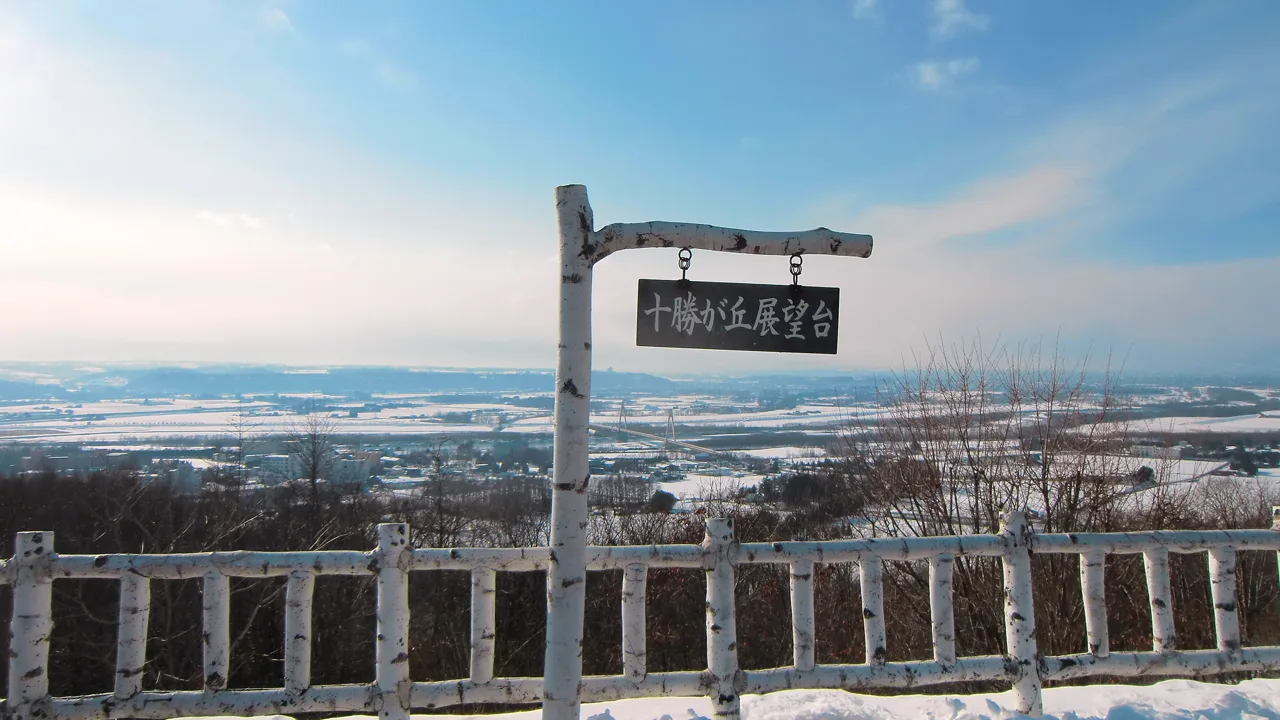
- View over the Tokachi Plain and Hidaka Mountains from Tokachigaoka Observatory in Hokkaido. Photograph from the time it was taken; see the official sources in the article for Kofuku Station, Rokka-no-Mori, Naitai Highland Terrace and Lake Shikaribetsu seasonal closures · Photographed 2011-12-11 · On-chan · Source · CC BY-SA 3.0