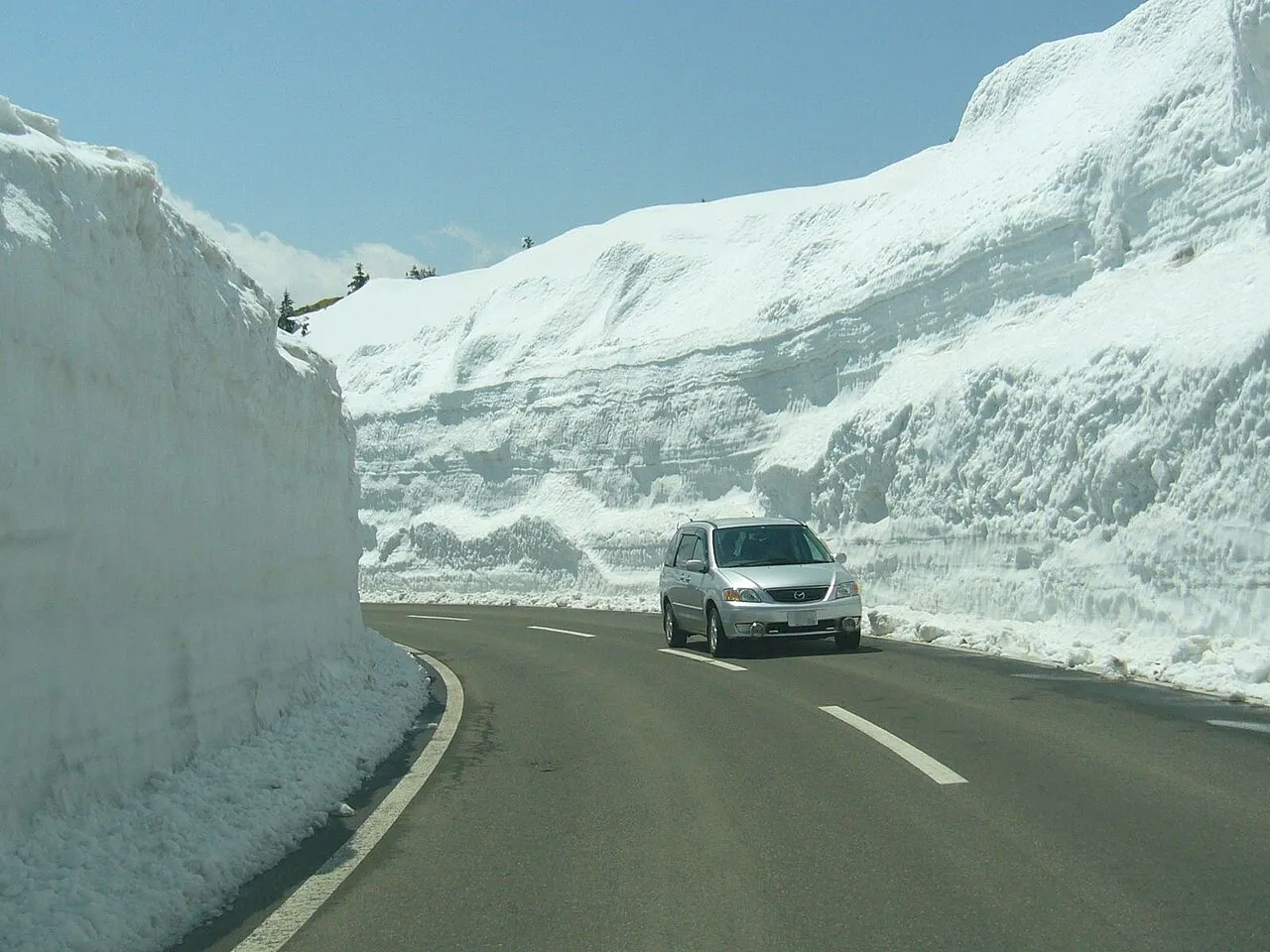
Hokkaido is Japan's northern main island, and its cities sit far apart, so a driving trip here works best with each day's distance and fuel stops fixed in advance. Winter tyres, the hours when deer are most active and the roads that close for winter also need checking. In 2026 the Shiretoko Pass has closed at night since 23 October and closes all day from 16:00 on 4 November until spring. The Niseko Panorama Line closed at 15:00 on 22 October.
This page gives distances between major cities, winter tyre periods at three rental companies, deer-accident figures, expressway fuel stops, a fixed-price expressway plan for rental cars and the 2026–27 winter closures. Drivers with a foreign licence should first check the documents in our licence and IDP guide.
Hokkaido's cities are far apart: plan each day from distance and sunset
Distances and times between major cities
Hokkaido covers about 22% of Japan's land area. The table shows the shortest route between two points on national roads, with its distance and a guide time. Times change a lot with season and weather, and are longer in winter.
| Section | Distance | Guide time |
|---|---|---|
| Sapporo–Chitose | 37km | 1 hr 11 min |
| Sapporo–Otaru | 39.2km | 1 hr 12 min |
| Sapporo–Kutchan (for Niseko) | 90.1km | 1 hr 58 min |
| Sapporo–Obihiro | 210.1km | 4 hr 35 min |
| Takikawa–Asahikawa | 50km | 1 hr 12 min |
| Asahikawa–Furano | 57.1km | 1 hr 16 min |
| Furano–Obihiro | 120km | 2 hr 38 min |
| Asahikawa–Wakkanai | 250.2km | 5 hr 10 min |
| Asahikawa–Kitami | 157.9km | 3 hr 37 min |
| Kitami–Abashiri | 59km | 1 hr 25 min |
| Obihiro–Kushiro | 120.8km | 2 hr 43 min |
| Kushiro–Nemuro | 119km | 2 hr 16 min |
| Oshamambe–Hakodate | 105km | 2 hr 23 min |
Some sections, such as Asahikawa–Wakkanai and Sapporo–Obihiro, take four to five hours on ordinary roads alone. The guide times do not include breaks, refuelling or sightseeing. For expressway sections, the Drive Plaza toll and route search from NEXCO East Japan gives distance, time and toll section by section.
Plan a break every two hours and allow for sunset
On long driving days, plan a break once every two hours. A section of more than four hours means at least two stops on the way. Michi-no-Eki (roadside stations), which have parking and toilets available 24 hours, make good places to stop.
Sunset in Sapporo is at 17:17 on 1 October 2026 and 16:01 on 30 November. From autumn into winter, plan to reach your accommodation before sunset and work back to a departure time. On winter road days, leave enough margin to arrive in daylight.
Winter tyre periods and winter road hazards
All tyres need anti-slip measures in winter
Hokkaido's road traffic regulations require anti-slip measures when driving on snowy or icy roads: snow tyres on all wheels, or tyre chains or a similar measure. In snowfall heavy enough for a heavy-snow emergency warning or an urgent heavy-snow announcement, chains can be required on some expressway and national road sections even with studless tyres. Keep the option of cancelling the drive on a day when such an announcement is made.
In spring and autumn, town weather does not tell you about the passes. The Shiretoko Pass, at 738m, is about 4–5°C colder than the towns of Shari and Rausu, and its road can be icy while the towns are above freezing.
Rental car winter tyre periods differ by company
The periods and charges for studless tyres as standard equipment compare as follows.
| Company | Standard-equipment period in Hokkaido (departure date) | Charges |
|---|---|---|
| Nippon Rent-A-Car | 1 November 2026 to 20 April 2027. 4WD cars are standard during the period | Winter season charge of ¥660 per day (incl. tax, capped at 10 days) |
| Toyota Rent a Car (Toyota Rent-a-Lease companies in Hokkaido) | 1 November 2026 to 5 May 2027 (Obihiro from 31 October) | A season charge applies |
| Times Car Rental | 1 November 2026 to 15 April 2027 | ¥660 per 24 hours (incl. tax, capped at ¥6,600) |
The Toyota and Times periods may change. If you depart from late April into the May holidays, Nippon and Times are outside their standard-equipment periods. If you will take mountain roads outside the period, ask when you book whether you can specify studless tyres.
At Nippon, specifying studless tyres outside the period costs extra, and the number of equipped cars is limited. Chains are not offered as an option at any of its branches, so bring your own if you need them.
Slippery places and following distance
On winter roads, keep at least twice your dry-road following distance and avoid sudden braking or steering. A road that looks wet may be black ice.
These places are especially slippery:
- Intersections and their surroundings: heat from cars melts snow and ice, and water on the surface makes them very slippery
- Bridges and elevated roads: chilled from above and below, they can be frozen when other surfaces are dry
- Near tunnel entrances and exits: often in shade and often black ice
- Rutted surfaces: cars slide sideways easily
Driving on snow is more tiring than driving in sun or rain. Take breaks earlier than you would in summer.
If a blizzard blocks your view or you get stuck
When heavy snow or ground blizzards limit visibility, change your departure time or use public transport. Carry warm items (blankets, disposable heat packs), emergency water and food, and gloves. If you get stuck on the way:
- Stay with the car unless you know for certain there is a place to shelter or someone who can help. You could lose your bearings in a blizzard
- When you phone for help, give your position as exactly as you can. On national roads, kilometre posts stand beside the road every 1km and show the route number and position
- If the exhaust is buried in snow, exhaust gas can flow back into the car and cause carbon monoxide poisoning. Clear the snow around the muffler regularly and open a window slightly for air. If you cannot keep up with the clearing, turn off the engine and stay warm with winter clothing while you wait
Deer accidents peak from October to November, evening into night
Traffic accidents involving Ezo sika deer (property damage and injury accidents combined) reached 6,705 in 2025, a record high for the ninth year running. The figure includes accidents caused by swerving to avoid a deer as well as collisions.
| Trend | 2025 figures |
|---|---|
| Peak months | October (22.8%), November (18.0%) |
| Peak hours | 18:00–20:00 (28.8%), 16:00–18:00 (22.5%) |
| Road type | National roads (60.3%), prefectural roads (26.9%) |
| Deer movement | Crossing from either side, 89.9% combined |
To reduce the risk:
- Take care in the early morning and evening. Activity peaks around sunrise and sunset
- Take care from autumn into early winter. October and November are the breeding season, when deer move more, and overlap with their move to wintering grounds
- At night, their eyes shine in your headlights
- Deer may not run as a car approaches. Their hooves slip on asphalt and they are slow to get away
- Do not assume there is only one. A second or third deer may run out
The seven injury accidents in 2025 include a driver startled by a deer who swerved into a guardrail, and rear-end collisions with a car that had noticed a deer. Leave more room to the car ahead. In October and November, plan to reach your accommodation before sunset, which reduces your time on the road during peak accident hours.
If you hit a deer, report it to the police as a traffic accident. In a rental car, also contact the company. At Toyota Rent a Car, insurance and protection cannot be used if the accident was not reported to the police and no accident certificate exists. Our CDW and NOC guide compares what protection covers.
Check fuel stops and expressway tolls first
Only four expressway fuel stops
On the Hokkaido expressways managed by NEXCO East Japan, there were petrol stations at these four places as of 22 May 2026.
| Place | Route | Hours |
|---|---|---|
| Sunagawa SA | Do-O Expressway | 08:00–20:00 |
| Wattsu PA | Do-O Expressway | 24 hours |
| Usuzan SA | Do-O Expressway | 08:00–20:00 |
| Yuni PA | Doto Expressway | 08:00–20:00 |
The Doto Expressway has no petrol station on the 162km between Yuni PA and Honbetsu JCT. If you leave at Tokachi-Shimizu IC to refuel and rejoin at the same IC, the regular toll is the same as if you had not left. This covers both ETC and cash vehicles, although ETC discounts may not apply. On days when you head to Obihiro, Kushiro or Kitami on the Doto Expressway, fill up before joining the expressway or at Yuni PA.
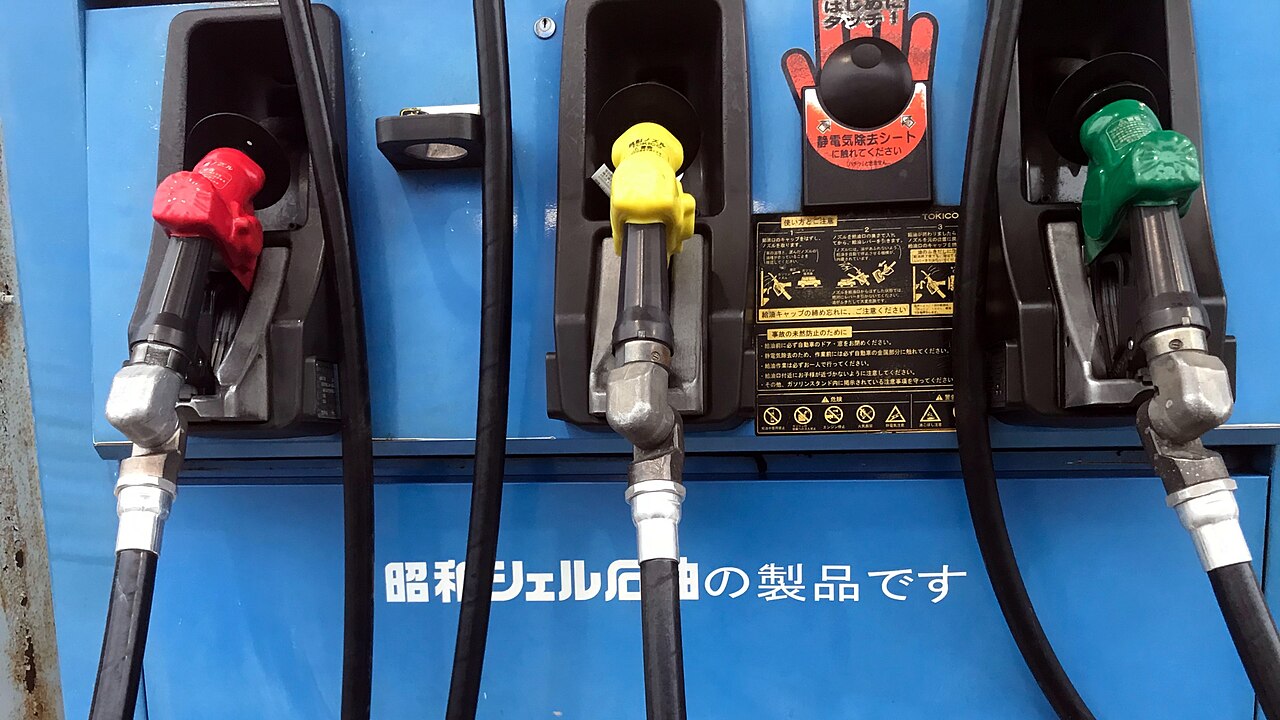
Running out of fuel on an expressway can cause a serious accident. In an unfamiliar car, check the fuel type before refuelling. In winter, traffic jams and closures can leave you stationary with the engine on for heating, and the fuel drops faster than you expect. Our refuelling and return guide covers filling up before returning a rental car.
A fixed-price expressway plan for rental cars
The Dora-Wari "Doutoku Free Pass × Hokkaido Rental Car Set Plan" gives unlimited use of all NEXCO East Japan expressways in Hokkaido for a set number of days at a fixed price. It covers ETC-equipped rental cars departing from member branches of the Hokkaido Rent-a-Car Association Federation.
| Days | Standard car | Kei car and similar |
|---|---|---|
| 4 days | ¥7,700 | ¥6,200 |
| 5 days | ¥9,600 | ¥7,700 |
| 6 days | ¥11,600 | ¥9,300 |
| 7 days | ¥13,500 | ¥10,800 |
| 8 days | ¥15,400 | ¥12,300 |
You need your own ETC card to apply, and there are periods when the plan cannot be used.
- Apply with your own ETC card. A rental ETC card from the rental company cannot be used to apply
- The plan runs from 8 May 2026 to 7 April 2027 (the last start date is 31 March). The remaining blackout periods are 21–23 November, 26 December to 4 January 2027, 9–11 January and 20–22 March
- The departure branch must be on the list of eligible branches. Toyota Rent-a-Lease Obihiro and others were added on 17 August 2026
- Depending on the section, day and time, the plan can cost more. Journeys under this plan do not get the weekday morning and evening discount
- The rental charge is not included
Our ETC card guide compares how to rent a card and settle tolls if you do not have one.
Roads that close in winter 2026–27 and road information to check
Roads that close in winter (2026–27)
Winter closures come in two forms: all-day closures and night-only closures. The 2026–27 schedule by road is below.
| Road | Winter 2026–27 restrictions | Spring reopening |
|---|---|---|
| Route 334 Shiretoko Crossing Road (Shiretoko Pass, about 23.8km from Yunosawa in Rausu to Iwaobetsu in Shari) | Closed at night 16:00–09:00 from 23 October to 3 November 2026. Closed all day from 16:00 on 4 November | Late April 2027 (scheduled) |
| Prefectural Road 66 Iwanai–Toya Line (Niseko Panorama Line, Oikomi in Kyowa to Yunosato in Rankoshi) | Closed for winter from 15:00 on 22 October 2026 | Date not announced. 10:00 on 27 April in spring 2026 |
| Prefectural Road 58 Kutchan–Niseko Line (Hanazono in Kutchan to Goshiki Onsen) | Closed for winter from 10:00 on 13 October 2026 | Date not announced |
| Prefectural Toyako–Noboribetsu Line (Orofure Pass) | Closed at night 17:00–09:00 from 17:00 on 13 November 2026 to 09:00 on 16 April 2027 (scheduled) | 09:00 on 16 April 2027 (scheduled) |
While the Shiretoko Pass is closed, travel between Rausu and Shari by detouring on Route 335 and Route 244 (Konpoku Pass). Outside the listed periods and hours, the road also closes when it freezes.
Pre-departure checklist
- Distance: will you arrive before sunset, with a break every two hours and refuelling added to the guide time?
- Tyres: does your departure date fall in the winter-tyre period? If you are outside it and taking mountain roads, have you specified studless tyres?
- Closures: have you checked closures and road cameras for national and prefectural roads on the Road Information System of the Ministry of Land, Infrastructure, Transport and Tourism? Sudden national road closures are also sent by a free closure-alert email service
- Blizzards: have you checked current conditions and the forecast up to 24 hours ahead in the blizzard visibility information on Kita-no-Michi Navi?
- Fuel: have you filled up before joining the expressway? The Doto Expressway has no petrol station on the 162km between Yuni PA and Honbetsu JCT
- ETC: if using the fixed-price plan, do you have your own ETC card?
- Contacts: have you noted who to call after an accident or breakdown? Potholes and damaged road facilities can be reported on the 24-hour road emergency line, #9910
Frequently asked questions
When does the Shiretoko Pass close?
In 2026 it is closed from 16:00 to 09:00 from 23 October to 3 November. It closes all day from 16:00 on 4 November, and reopening is scheduled for late April 2027.
How long does it take from Sapporo to Obihiro on ordinary roads?
The shortest national road route is 210.1km, with a guide time of 4 hours 35 minutes. That excludes breaks and refuelling, so in winter work back from the sunset time when choosing when to leave.
When do Hokkaido rental cars switch to winter tyres?
For 2026–27, Nippon, Toyota and Times all fit them as standard for departures from 1 November (Toyota in Obihiro from 31 October). The period ends on 20 April at Nippon, 5 May at Toyota and 15 April at Times.
What time of day should I watch for deer?
In 2025, 28.8% of accidents occurred from 18:00 to 20:00 and 22.5% from 16:00 to 18:00. By month, October and November were highest, together accounting for more than 40%.
Related guides
Sources & verification
Last verified: 2026-11-01
- Hokkaido Government (official page, in Japanese) · 2026-11-01
- NEXCO East (Drive Plaza) (official page, in Japanese) · 2026-11-01
- National Astronomical Observatory of Japan (official page, in Japanese) · 2026-11-01
- National Astronomical Observatory of Japan (official page, in Japanese) · 2026-11-01
- Hokkaido Regional Development Bureau (official page, in Japanese) · 2026-09-27
- Hokkaido Police (official page, in Japanese) · 2026-11-01
- Nippon Rent-A-Car (official page, in Japanese) · 2026-11-01
- Nippon Rent-A-Car (official page, in Japanese) · 2026-11-01
- Toyota Rent a Car (official page, in Japanese) · 2026-11-01
- Times Car Rental (official page, in Japanese) · 2026-11-01
- Hokkaido Police (hosted leaflet) (official page, in Japanese) · 2026-09-27
- NEXCO East (Drive Plaza) (official page, in Japanese) · 2026-11-01
- Abashiri and Kushiro Development and Construction Departments (official page, in Japanese) · 2026-09-27
- Kushiro and Abashiri Development and Construction Departments (official page, in Japanese) · 2026-10-26
- Kutchan Town (official page, in Japanese) · 2026-11-01
- Kutchan Town (official page, in Japanese) · 2026-11-01
- Kutchan Town (official page, in Japanese) · 2026-11-01
- Hokkaido Government Iburi Subprefecture, Muroran Construction Office (official page, in Japanese) · 2026-11-01
- Hokkaido Government Iburi Subprefecture, Muroran Construction Office (official page, in Japanese) · 2026-11-01
- Hokkaido Police (official page, in Japanese) · 2026-11-01
- Hokkaido Government (official page, in Japanese) · 2026-11-01
- Toyota Rent a Car (official page, in Japanese) · 2026-11-01
- NEXCO East Japan (official page, in Japanese) · 2026-11-01
- NEXCO East (Drive Plaza) (official page, in Japanese) · 2026-11-01
- NEXCO East Japan and Hokkaido Rent-a-Car Association Federation (official page, in Japanese) · 2026-11-01
- NEXCO East (Drive Plaza) (official page, in Japanese) · 2026-11-01
- Hokkaido Regional Development Bureau (official page, in Japanese) · 2026-11-01
- NEXCO East Japan (official page, in Japanese) · 2026-11-01