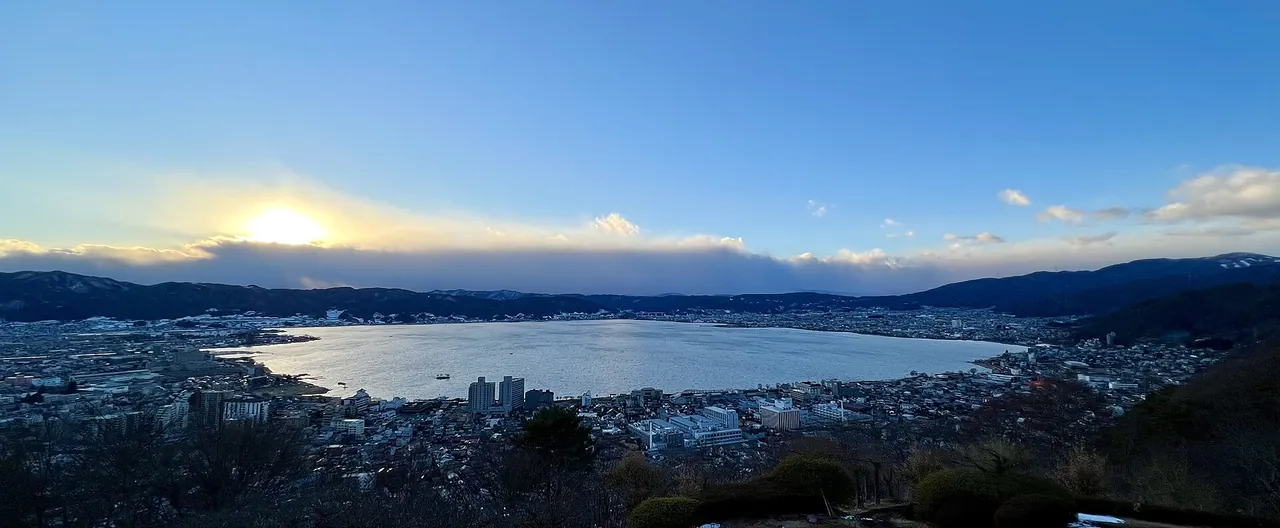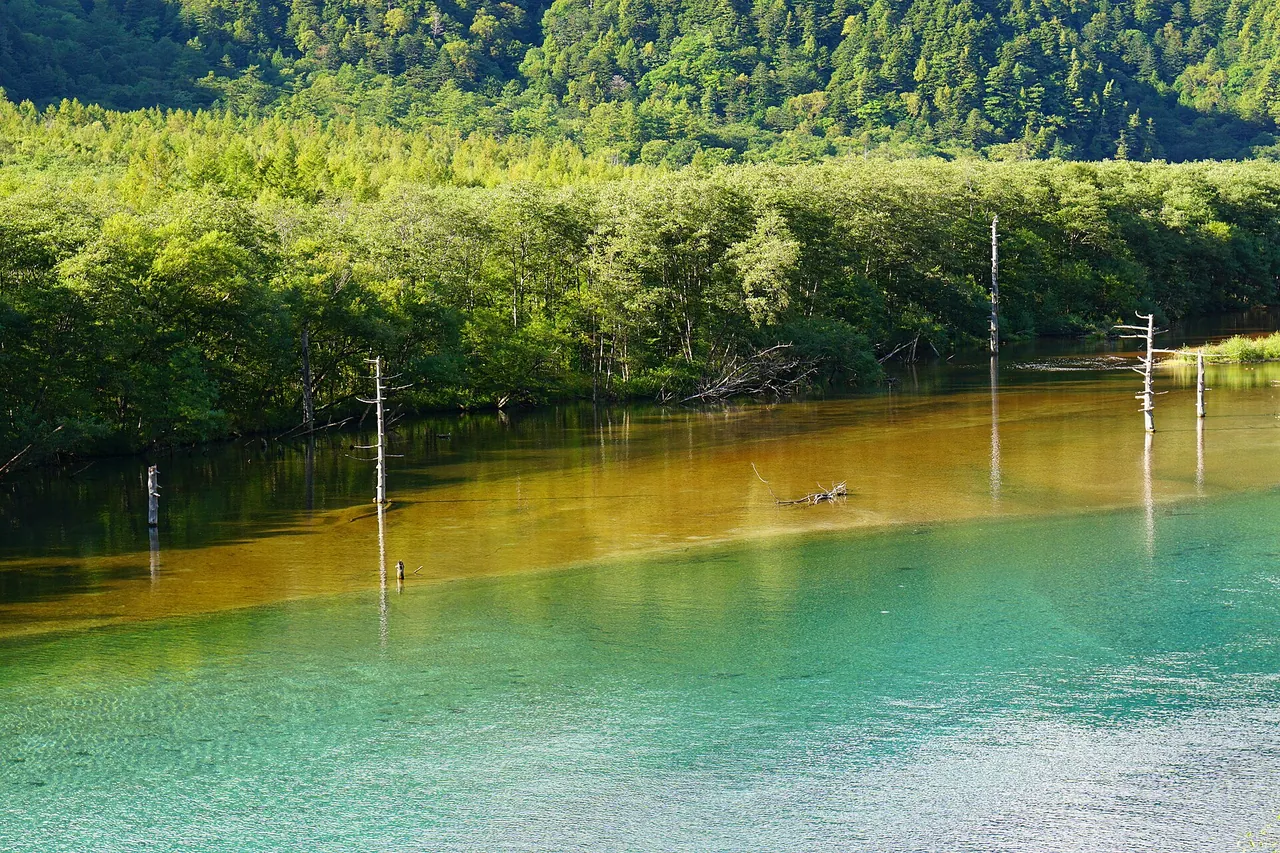
Kamikochi lies west of Matsumoto, below the Hotaka peaks in Chubu Sangaku National Park. Private cars are banned beyond the Kama Tunnel throughout the year, including rental cars. Drive to Sawando on the Matsumoto side or Akandana car park at Hirayu on the Takayama side, then change to a shuttle bus or taxi for Taisho Pond and Kappa Bridge.
Kamikochi at a glance
| Item | Details |
|---|---|
| Location | Azumi, Matsumoto, Nagano; Chubu Sangaku National Park |
| Private vehicles | Cars, rental cars and motorcycles cannot enter beyond the Kama Tunnel at any time of year. Change to a bus or taxi at Sawando or Hirayu Akandana. |
| 2026 season | 17 April–15 November. During the open season, access is limited to buses, taxis, bicycles and other permitted vehicles. The winter road closure is scheduled from 19:00 on 15 November 2026 to 07:00 on 17 April 2027, subject to conditions. |
| Gate hours | Nakanoyu Gate: 05:00–19:00 in April–June and September–November; 05:00–20:00 in July–August. |
| Sawando parking | About 2,000 spaces across municipal and private car parks. Cars ¥800 per calendar day; motorcycles ¥400. The four municipal car parks have automatic gates open 24 hours. |
| Hirayu Akandana parking | 870 car spaces. ¥600 for each period of up to 24 hours from entry; free for stays of 30 minutes or less. Cars can enter and leave through the automatic gates 24 hours a day during the season. |
| Shuttle buses | Sawando–Kamikochi: adult ¥1,600 one way or ¥3,000 return, about 25–30 minutes, roughly every 30 minutes. Akandana via Hirayu–Kamikochi: adult ¥1,500 one way or ¥2,800 return, about 35 minutes, every 30 minutes. |
| Fixed-fare taxis | Sawando–Kamikochi Bus Terminal: ¥5,400–6,000 for an ordinary taxi. Hirayu Onsen area–Kamikochi Bus Terminal: up to ¥6,000, plus ¥1,580 in Abo Tunnel toll charges. |
Map and where to leave your car
- 1Sawando car parks and bus terminal
- 2Kama tunnel (no private cars beyond)
- 3Taisho Pond
- 4Kamikochi bus terminal
- 5Kappa Bridge
- 6Akandana car park, Hirayu
Matsumoto IC → 1 (park here) → by bus 2 → 3 → 4 → 5. From Hirayu: 6 → 2 → 3 → 4
The map could not be loaded. Use the junction-by-junction directions below.
The map shows the driving approaches from Matsumoto IC and Hirayu to the car parks and Kama Tunnel, plus the shuttle-bus route from Sawando to Taisho Pond and Kamikochi Bus Terminal. Choose your parking base according to the direction you approach from.
| Approach | Where to park | Onward to Kamikochi |
|---|---|---|
| Matsumoto, Nagano or Tokyo | Sawando, 32 km and about 60 minutes from Matsumoto IC | Shuttle bus, about 30 minutes and ¥1,600 one way, or fixed-fare taxi |
| Takayama, Nagoya or Hokuriku | Hirayu Akandana, normally about 45 minutes from Takayama IC; allow extra time for the Route 158 closure and detour described below | Shuttle bus, about 35 minutes and ¥1,500 one way, or fixed-fare taxi |
Sawando No. 3 car park connects directly to the bus terminal
Sawando has four municipal car parks and several private ones, with about 2,000 spaces altogether. The municipal sites have automatic gates open 24 hours. Car parking costs ¥800 per calendar day, so staying past midnight incurs a second day's charge.
| Municipal car park | Capacity |
|---|---|
| No. 1, Ippukudaira | 104 cars, 32 large buses and 9 minibuses |
| No. 2, Ashiyu Koen | 550 cars |
| No. 3, Kasumizawa | 410 cars; an underpass connects it to the Sawando National Park Gate bus boarding area |
| No. 4, Iwamidaira | 140 cars |
Shuttle buses start at Sawando Bus Terminal and call at stops near the car parks before reaching Kamikochi Bus Terminal in about 25–30 minutes. Buy a same-day ticket from a machine near your stop. Returning buses terminate at Sawando Ohashi, so get off at the stop nearest your car park.
Taxi fares depend on which of two parking zones you leave from. The upper zone includes Chaarashi, municipal No. 4, Ikejiri and Alpico's Sawando car park: an ordinary taxi costs ¥4,200 one way to Taisho Pond or ¥5,400 to Kamikochi Bus Terminal. From the lower zone, including municipal car parks No. 1–3, the fares are ¥4,900 and ¥6,000 respectively.
Hirayu Akandana to Kamikochi takes about 35 minutes by bus
On the Gifu side, use the municipal Akandana car park, about five minutes' drive from Hirayu Onsen. It has 870 car spaces and costs ¥600 for each period of up to 24 hours from entry, with stays of 30 minutes or less free. Cars can enter and leave 24 hours a day during the operating season.
Nohi Bus shuttles start beside the management building and leave every 30 minutes, travelling via Hirayu Onsen to Kamikochi Bus Terminal in about 35 minutes. Adult fares are ¥1,500 one way or ¥2,800 return. All seats are unreserved; advance reservations are not available. An ordinary fixed-fare taxi from the Hirayu Onsen area to Kamikochi Bus Terminal costs up to ¥6,000, plus ¥1,580 for the Abo Tunnel tolls.
Walks and how long they take
Taisho Pond to Kappa Bridge: about 80 minutes one way
Get off the bus at Taisho Pond and follow the nature trail beside the Azusa River to Kappa Bridge. The full walk is about 4 km and takes around 80 minutes. Allow about 25 minutes from Taisho Pond to Tashiro Pond and the wetlands, another 20 minutes to Tashiro and Hotaka bridges, then about 30 minutes along the river's right bank past the Weston Monument to Kappa Bridge. Taking the left bank from Tashiro Bridge instead brings you to Kamikochi Bus Terminal in about 30 minutes. Much of the route is boardwalk or gravel, so wear comfortable walking shoes.
Kappa Bridge to Myojin: about 60 minutes one way
The right-bank nature trail from Kappa Bridge to Myojin is about 3.0 km and takes around 60 minutes. The left-bank route through Konashidaira is about 2.5 km and takes around 50 minutes. The right bank is generally quieter and passes through the boardwalks of Dakesawa Marsh. Beyond Myojin, Tokusawa is another 60 minutes away and Yokoo a further 70 minutes: the valley route is relatively level, but the distance adds up.
Plan your return bus or taxi before walking
Kamikochi Bus Terminal is about six minutes' walk from Kappa Bridge. Sawando shuttles leave from platform 7. The terminal's ticket office opens 06:00–17:30, and the published final taxi boarding time is 18:00. Nakanoyu Gate closes at 19:00 in spring and autumn and at 20:00 in July and August. These are gate hours, not bus departure times: check the timetable for your date and choose a return service before setting off on a walk.
Since 1 September 2026, passengers continuing to Shirahone Onsen or Norikura Kogen can use a reservation-priority connecting service from platform 6 to Sawando Bus Terminal, then change buses there. At times when that connecting service does not run, the operator directs passengers to the Sawando shuttle instead.
Open season and road restrictions
Private cars cannot pass the Kama Tunnel in any season
The restriction covers the whole of Prefectural Route 24, the Kamikochi Park Line, from the Kama Tunnel entrance to Kamikochi Bus Terminal. It applies equally to private cars, rental cars and motorcycles. During the open season, only authorized vehicles, buses, taxis and light vehicles such as bicycles may enter. Nakanoyu Gate is open 05:00–19:00 in April–June and September–November, and 05:00–20:00 in July–August.
The 2026 season runs from 17 April to 15 November
Kamikochi's 2026 road-access season runs from 17 April to 15 November, with the closing ceremony on 15 November. The construction office’s current schedule closes the road from 19:00 on 15 November 2026 until 07:00 on 17 April 2027; snow clearance and safety conditions may change those dates. No buses or taxis run beyond the Kama Tunnel during that closure. Visitor facilities close for winter, although the official FAQ notes that some accommodation may open over New Year.
Entering on foot in winter is winter mountaineering, undertaken at your own risk, and requires a mountaineering notification. Nakanoyu Onsen Ryokan and Sakamaki Onsen Ryokan are before the restricted tunnel entrance; both operate year-round and can be reached by car in winter, subject to road conditions.
Heavy rain can also close Route 158
National Route 158 between Yukawado and Abo Pass, together with the Kamikochi Park Line, is subject to closure at 80 mm of continuous rainfall, 20 mm in one hour or 10 mm in 15 minutes. Road cameras at Sawando, Nakanoyu and Taisho Pond are linked from the Matsumoto Construction Office's traffic-information page.
The Route 158 closure in Nyukawa affects the Gifu approach
Takayama City's notice, checked on 1 November 2026, still reports a full closure of Route 158 in Nyukawa following the landslide on 25 February 2026, with no reopening date set. Scheduled buses and large sightseeing coaches use a nearby municipal-road detour. Other affected large and medium vehicles measuring at least 2.3 m wide or 9 m long must use the wider detour via Routes 41 and 471. The city also asks ordinary cars travelling from the Kanto side to central Takayama to use Routes 41, 471 and 361, to reduce traffic on local residential roads.
Akandana remains reachable from the Takayama side via the available approaches, but allow extra time and check the current detour if you are driving through Takayama. The normal 45-minute approach estimate is not a prediction for the present closure.
Best seasons and crowds
| Season | What to expect |
|---|---|
| 27 April | Opening festival. Wildflowers and alpine flowers appear in succession from April to August. |
| Late May–early June | Fresh green foliage. The official visitor guide describes June as relatively quiet, with comparatively little rain. |
| July–August | Flower season. Summer-holiday weekends, public holidays and Obon are very busy. |
| Early–late October | Autumn colour. October weekends are very busy. |
| 15 November | Closing ceremony. Many lodgings accept their last overnight guests on 14 November. |
Sawando car parks can fill between about 08:00 and 09:00 during the May holidays, Obon and autumn-colour weekends. At Akandana, Obon and autumn holiday mornings bring heavy bus demand, and the car park can fill completely. The operators warned of longer waits during the 10–12 October 2026 holiday weekend; parking queues can delay boarding on other busy days too. Arriving early, choosing a weekday or visiting in June leaves more room in the day.
Getting there and fuel
From Matsumoto IC on the Nagano Expressway, follow Route 158 west to Sawando: 32 km and about 60 minutes in normal conditions. The official normal-time estimate from Takayama IC to Hirayu Akandana is about 45 minutes, but the Nyukawa closure means you should check the detour and allow extra time. The tolled Abo Tunnel links Hirayu with the Sawando and Nakanoyu side. Filling up in central Matsumoto before heading into the mountains is a useful precaution.
Without a car: start from Matsumoto or Takayama Station
From Matsumoto Station, take the Kamikochi Line train to Shin-Shimashima and change to a bus or taxi; the official guide gives about 1 hour 30 minutes to Kamikochi. From Takayama Station, walk to Takayama Nohi Bus Center, take a bus to Hirayu Onsen and change to a shuttle bus or taxi. The Kamikochi guide gives about 1 hour 25 minutes for this approach; connection waits and the current road detour can add time. Direct buses also operate from Tokyo, Nagoya, Osaka and Kyoto and require reservations. Check the service and operating dates for your departure city.
Frequently asked questions
Can I drive a rental car into Kamikochi?
No. Private cars, rental cars and motorcycles are banned beyond the Kama Tunnel all year. Leave the vehicle at Sawando or Hirayu Akandana and change to a bus or taxi.
Should I park at Sawando or Hirayu?
Sawando suits the Matsumoto, Nagano and Tokyo approach: parking is ¥800 per calendar day and the bus is ¥1,600 one way. Hirayu Akandana suits the Takayama, Nagoya and Hokuriku approach: parking is ¥600 for each period of up to 24 hours and the bus is ¥1,500 one way. The journey from Akandana via Hirayu takes about 35 minutes, compared with about 25–30 minutes from Sawando.
When do the car parks fill up?
Sawando can fill from around 08:00–09:00 during the May holidays, Obon and autumn weekends. Akandana is especially busy on Obon and autumn holiday mornings and can also become full.
Can I drive there in winter?
The Kamikochi Park Line is scheduled to close from 19:00 on 15 November 2026 to 07:00 on 17 April 2027, subject to conditions. No buses run beyond the Kama Tunnel, and normal visitor facilities close. Nakanoyu Onsen Ryokan and Sakamaki Onsen Ryokan are before the tunnel; both operate year-round and can be reached by car, subject to current road conditions.
How far can I walk on a day trip?
Taisho Pond to Kappa Bridge takes about 80 minutes one way. Continuing from Kappa Bridge to Myojin and back adds roughly two hours. Choose your return bus from the operator's timetable before deciding how far to walk. The ticket office closes at 17:30, and the gate closes at 19:00 in spring and autumn or 20:00 in July and August; neither time guarantees a bus departure.
Related guides
Sources & verification
Last verified: 2026-11-01
Updates and corrections
- Complete English guide with verified parking, transfers, walking routes and the current winter-closure schedule.
All sources (20)
- Nagano Prefecture (official page, in Japanese) · 2026-11-01
- Kamikochi official website (official page, in Japanese) · 2026-11-01
- Kamikochi official website (official page, in Japanese) · 2026-11-01
- Kamikochi official website (official page, in Japanese) · 2026-11-01
- Kamikochi official website (official page, in Japanese) · 2026-11-01
- Kamikochi official website (official page, in Japanese) · 2026-11-01
- Kamikochi official website (official page, in Japanese) · 2026-11-01
- Kamikochi official website (official page, in Japanese) · 2026-11-01
- Kamikochi official website (official page, in Japanese) · 2026-11-01
- Kamikochi official website (official page, in Japanese) · 2026-11-01
- Alpico Kotsu (official page, in Japanese) · 2026-11-01
- Alpico Kotsu (official page, in Japanese) · 2026-11-01
- Alpico Kotsu (official page, in Japanese) · 2026-11-01
- Nohi Bus (official page, in Japanese) · 2026-11-01
- Nagano Prefecture, Matsumoto Construction Office (official page, in Japanese) · 2026-11-01
- Takayama City (official page, in Japanese) · 2026-11-01
- Go NAGANO (official page, in Japanese) · 2026-11-01
- OpenStreetMap (map positions and route; © OpenStreetMap contributors, ODbL; route calculated with OSRM) · 2026-10-25
- Takayama City · 2026-11-01
- Alpico Kotsu: Sawando–Kamikochi fare table, effective 17 April 2026 (official PDF, in Japanese) · 2026-11-01